This is really the first day of Holy Week. The Jews acknowledge him but about a week later their religious leaders murder Him, supposedly for blasphemy, but really just for jealousy, with no consideration that they are going against almighty God, they that should have known.
Author: meerkatcheesephobos55464
-

Passion Sunday
Passion Sunday kicks off the run up to the holiest day in the Catholic Calendar, Easter, when Jesus Christ rises from the dead and through it gives us hope in everlasting life. Easter shows us that Jesus Christ is all-powerful God in a way that is convincing enough to fuel almost 400 years of martyrs, to die for Christ despite little if any hope that their preaching of Jesus or their death would have little effect on the cruel Roman culture! But eventually, from the top down, starting with the emperor they converted Rome!
The following is mostly a quote from The Roman Catholic Daily Missal – 1962, Angelus Press in the commentary for the day, the epistle and the Gospel:
“The Mass of Passion Sunday is full of the thought of the Passion of Jesus and of the infidelity of the Jews, whose place in the Kingdom of God was taken by those who were baptized, that is to say by Christians.
From this day until Maundy Thursday, in Masses of the Season the Psalm Judica me is omitted on Sundays and ferias, as also the Gloria Patri at the Introit and as the Lavabo, but on feasts they are said as usual.”
In the epistle Heb. 9:11-15 “St. Paul tells us that our Lord Jesus Christ is the Pontiff and the Mediator of the New Testament. As the High Priest once entered the Holy of Holies by the blood of victims, so, in a more excellent manner, Christ enters into heaven the true Holy of Holies, after having shed His own Blood which He offers to God His Father.”
Finally in the Gospel Jn. 8: 46-59 “St John shows us the growing hatred of the Sanhedrin. The jews who ought to have recognized in Jesus the Son of God, greater than Abraham and the prophets, because He is eternal, disregarded the meaning of His words. The insulted our Lord Jesus Christ, the Messias, Whom they declared to be possessed by a devil, a blasphemer, Whom they would stone to death.”
This was the one time that he said clearly – for any true Jew, by using Gods proper name, the concept of the Non-Contingent Being, that He was God. Specifically: “before Abraham was made, I AM.” [emphasis mine]
-

The Stuggle against the Devil of Impurity – another Quote from my bulletin from the Third Sunday in Lent
Blessed are the pure of heart, for they shall see God!
St. Matthew 5:8According to St. Gregory the Great, there are several types of devils. The one presented today in the Gospel is the devil of impurity. This unclean spirit seeks to taint souls sanctified by our Lord, and tries to turn them from spiritual into carnal, and even bestial. He tries to plunge them into a state of abjection that makes them worse than animals. And our Lord wants us to have a particular revulsion for this devil of impurity, among all the devils, for, according to St. Gregory the Great, that devil is the most common cause of man’s damnation.
To fight against this devil, there are means of prevention and others of cure. One of these is the use of the sacrament of penance. It is important to know that the devil tries at the time of confession to arouse in man that shame which he took from him at the time of the sin. We should be ashamed of the sin, but not of admitting the sin! So let us take care never to make a sacrilegious confession by false shame. Moreover, let us not forget that, in the accusation of a serious sin, we should always specify the number or the frequency as well as any circumstances that change the nature of the sin.
Next, let us love to approach the Holy Eucharist often. A heart to heart with our Lord is the best antidote to disordered attachments. And to the supernatural means, let us unite the practice of natural means. Let us fly everything that opens the door to these sins: internet, violent and desensitizing electronic games, bad films, gatherings that are too worldly, indecent dress, bad companions… Let us also fly idleness, which is the mother of all vices. Mostly let us love God above all things as well as His holy Mother, Queen of purity.
Lord Jesus, give me the courage never to let myself be caught in the trap of cowardly human respect by giving in to the pressures of fashion, and make it so that I never offend You by immodest dress, incompatible with my dignity as a child of God.
(Taken from Toward Easter by Fr. Patrick Troadec) -

A Call to Holiness – a short Quote from my bulletin on the Second Sunday in Lent (last week)
For this is the will of God, your sanctification.
1st Epistle of St. Paul to the Thessalonians 4:3
In today’s Epistle, St. Paul affirms that God wants us to be saints. To the Ephesians, he speaks in even greater detail: God the Father, he explains, “chose us in Him before the foundation of the world, that we should be holy and without blemish in His sight in love. He predestined us to be adopted through Jesus Christ as His sons, according to the purpose of His will.” (Eph. 1:4-5) Already in the Old Testament, we read this exhortation from God Himself: “Be ye holy, because I am holy” (Lev. 19:2). Our Lord goes so far as to say, “You therefore are to be perfect, even as your heavenly Father is perfect” (Mt. 5:48).
Perhaps this word of holiness frightens us. We think right away of extraordinary mortifications or spectacular manifestations, like speaking in tongues, levitation, the gift of healing, etc. So let us understand well what it means “to be holy.” It means conforming ourselves, assimilating ourselves to our Lord Jesus Christ. We will be holy to the degree of our resemblance to Jesus: such is the aim of the action of the Holy Ghost in us, and such is the path by which He will lead us to holiness.
This work is carried out progressively by prayer and by the frequent reception of the sacraments, to which we need to join the combat against our evil tendencies and the practice of good works. For us, poor sinners, what an honor to be able to attain such a good in spite of our native misery!
Lord Jesus, I desire to work with all my heart to reach holiness. I understand that, to do so, my life must have a greater resemblance to Your own. And so I wish to draw the strength I need from prayer, as You did, and I dare to say the words of St. Nicholas of Flüe: “Take me away from myself, and give me to You.”
(Taken from Toward Easter by Fr. Patrick Troadec)
-

Great Courses on Raising Children and for Students in General
The last blog was basically how a Catholic family, I know, raised their kids and the results. Supposedly 67% of children whose dads attended church regularly will grow up to attend church regularly even if the mother doesn’t. (https://www.facebook.com/dralvedaking/posts/when-a-father-leads-with-faith-generations-followaccording-to-studies-67-of-chil/1290962282385978/ ) This family proves this correct: 1 catholic, 1 protestant, and 1 atheist. In my opinion these are the basics for raising a decent child. The following information may offer hints on how to raise a better child.
The following are secular scientific and fact-based courses on how children learn the world round. If you followed the last blog, chances are you should at least get secularly good or exceptional children. I added the Course “Music and the Brain” because the wife of the catholic family mentioned earlier listened to classical music while pregnant as well as had her children taught the violin with one winning 2nd place at the grandmaster level in the Arizona State fiddle competition, and the other 2 play violin at a local children’s orchestra. The last one is on the spiritual brain and possibly may hold the key on how to get a probability better than 67% of your children being religious, conceivably the most important measure of being a good parent in that it impacts their immortal souls!
A list of the courses outlined are as follows:
– Scientific Secrets: for Raising Kids Who Thrive
– Raising Emotionally and Socially Healthy Kids
– How the World Learns: Comparative Educational Systems
– Argumentation: The Study of Effective Reasoning, 2nd Edition
– The Art of Debate
– Effective research Methods for Any Project
– Music and the Brain
– The Spiritual Brain: Science and Religious Experience
The first course is entitled “Scientific Secrets: for Raising Kids Who Thrive.”
Overview and lecturer’s credentials from the Great Courses Website
Overview
Parenting advice isn’t hard to find. There are thousands of books on the subject, as well as a multitude of websites. Much has also been written on the science of child development. What’s been lacking, however, are sources of reliable advice that bring together the scientific research and its real-world applications. This course bridges the divide. In 24 engaging lectures, an expert in the cognitive development of early childhood presents what scientific research has revealed about the things parents can actively do to promote children’s long-term development right from birth. Professor Vishton delivers a wealth of practical tips to help children reach their full potential intellectually, emotionally, physically, and socially. And he supports it all with findings culled from the latest scientific literature. You’ll touch on topics across all areas of childrearing, from sleep and nutrition to behavior and academics. And you’ll get answers to many of the most common parenting questions:
- Should I sleep-train my baby by letting her “cry it out”?
- Should I let my infant, toddler, or child watch TV-and if so, how much?
- Should I allow my child to play video games?
- Should I pressure my picky eater to finish her vegetables?
- Should I spank my child when he misbehaves?
In addition to learning methods for laying an early foundation in subjects such as math and reading, you’ll gain information for boosting your children’s overall cognitive abilities-and even their IQ scores.
Lecturer
Dr. Peter M. Vishton is Associate Professor of Psychology at The College of William & Mary. He earned his Ph.D. in Psychology and Cognitive Science from Cornell University. Before joining the faculty of William & Mary, he taught at Northwestern University and served as the program director for developmental and learning sciences at the National Science Foundation. A consulting editor for the journal Child Development, Professor Vishton has published articles in many of the top journals in the field of psychology. Among these are Psychological Science, Science, and the Journal of Experimental Psychology. He is also the creator of the DVD What Babies Can Do: An Activity-Based Guide to Infant Development. In addition to teaching, Professor Vishton devotes much of his career to researching the perception and action control of both infants and adults. His studies-funded by prestigious institutions, including the National Institute of Child Health and Development and the National Science Foundation-focus on cognitive, perceptual, and motor development; visually guided action; visual perception; computational vision and motor control; and human-computer interface. Professor Vishton has presented his findings at numerous conferences and invited talks throughout the United States and Europe.
Disc 1
Lecture 1: Self-Control-From Tummy Time to Tae Kwon Do
Lecture 2: Seeing, Hearing Thinking, Learning Infants
Lecture 3: Sleep-Getting Enough “Vitamin S”
Lecture 4: Healthy Eating Habits For Life
Lecture 5: Baby Talk, Sign Language, and Speech
Lecture 6: Shaping Behavior-How Kids and Rats Differ
Disc 2
Lecture 7: Which Style of Parenting Is Best?
Lecture 8: The Joy of Reading and the Place of Phonics
Lecture 9: IQ Hazards and Boosting Intelligence
Lecture 10: Enhancing Your Child’s Memory
Lecture 11: Parent as Teacher-Homework and Beyond
Lecture 12: Getting a Jump on Math-Without Math Anxiety
Disc 3
Lecture 13: Advantages of a Second Language
Lecture 14: What TV and Video Can and Can’t Teach
Lecture 15: Values and Pitfalls of Video Games
Lecture 16: Promoting Persistence and Self-Esteem
Lecture 17: Encouraging Cooperation, Sharing, Empathy
Lecture 18: Peer Conflicts and Social Development
Disc 4
Lecture 19: Maria Montessori at Home for Young Children
Lecture 20: Schooling and the Montessori Approach
Lecture 21: Physical Development and Education
Lecture 22: The Adolescent Brain
Lecture 23: Becoming a Parent-Scientist
Lecture 24: The Great Values of an Unhurried Childhood.
The second course is entitled “Raising Emotionally and Socially Healthy Kids” and as for the first course and the rest of the Courses Covered in this and future blogs on the great courses the over view and lecturers credentials are taken from the Great Courses website.
Overview
As a parent, you can’t make friends for your children, nor can you prevent them from ever feeling hurt or upset. But with the right guidance, you can support them in learning how to solve problems, cope with feelings, and build satisfying relationships. Raising Emotionally and Socially Healthy Kids gives you access to the same practical advice and actionable plans that Dr. Kennedy-Moore – an in-demand psychologist and author who serves on the advisory board for Parents magazine – shares with clients in her Princeton, New Jersey, practice. Drawing from the her extensive clinical experience – as well as personal experience as a mother of four – these 12 lectures provide a deeper understanding of your child’s development and ways to address common stumbling blocks with compassion. In the first half, you’ll focus on emotional intelligence and the pivotal role parents can play in helping children understand and cope with their feelings. You’ll discover strategies for managing early-childhood meltdowns; simple techniques to inspire cooperation; constructive ways to deal with back-talk, aggression, and unkind behavior; methods to help children cope with anxiety; and more. In the latter half, you’ll turn to social intelligence and the challenges children face in making friends, plus practical ways you can guide them through the process. Here, you’ll explore how you can support your child in getting along with others; being a good sport; handling conflicts; dealing with bullying; and coping with gossip and cliques. You’ll conclude with a candid discussion of friendship in the digital age, looking at video game playing and the relatively new but troubling phenomena of cyberbullying and “Facebook depression”.
Lecturer
Eileen Kennedy-Moore is an author and clinical psychologist who specializes in parenting and children’s feelings and friendships at her private practice in Princeton, New Jersey (license #35SI00425400). She earned her BA in Psychology from Northwestern University and her MA and PhD in Clinical Psychology from Stony Brook University.
Dr. Kennedy-Moore is the author or coauthor of four books for parents, including Kid Confidence: Help Your Child Make Friends, Build Resilience, and Develop Self-Esteem and What’s My Child Thinking? Practical Child Psychology for Modern Parents with Tanith Carey. She is also the author of a book for mental health professionals, Expressing Emotion: Myths, Realities, and Therapeutic Strategies. Her books for children include the award-winning What About Me? 12 Ways to Get Your Parents’ Attention (without Hitting Your Sister) and Growing Friendships: A Kids’ Guide to Making and Keeping Friends.
Dr. Kennedy-Moore has published academic articles in the Review of General Psychology and the Journal of Personality and Social Psychology. She has been quoted in numerous popular magazines and newspapers, including The New York Times, The Washington Post, Parents, Real Simple, Working Mother, Woman’s Day, and the Chicago Tribune. She serves on the advisory board for Parents magazine, and her blog, Growing Friendships at PsychologyToday.com, has more than 4 million views. She has also been a featured guest on Live with Kelly and Ryan, TODAY, Good Day Philadelphia, and many highly rated and nationally syndicated radio shows.
Disc 1
Lecture 1: Developing Your Child’s Emotional Intelligence
Lecture 2: Anxiety-The Way Out is Through
Lecture 3: How Kids Manage Anger-Positive Discipline
Lecture 4: Building Authentic Self-Esteem
Lecture 5: Teaching Kids to Care – The Roots of Empathy
Lecture 6: What makes Kids happy?
Disc 2
Lecture 7: How Children Make Friends
Lecture 8: Playing Well with Others
Lecture 9: Making Up and Breaking up with Friends
Lecture 10: Belonging, Status, Popularity and Rejection
Lecture 11: Teasing and Bullying
Lecture 12: Growing up in the Digital Age
The next Course is an audio course entitled “How the World Learns: Comparative Educational Systems” on Compact Disc (CD), unlike the rest of the lectures in this particular blog which are on DVD. Once again the overview and lecturers credentials are from the Great Courses Website.
Overview
Seeing what education looks like in other countries and contexts – how the model America innovated has been adapted and implemented elsewhere – helps us understand how other systems create success. In each of these 24 thought-provoking lectures, you’ll engage in a detailed comparison of teaching methods and student achievement in both primary and secondary schools, from the focus on STEM instruction and the intent of morals education to the role of preschool and the importance of creativity. You’ll discover why Finland and South Korea consistently rank as the two best educational systems despite having diametrically opposed approaches, and consider the unique cultural challenges facing schools from America to South Africa. As you embark on this educational odyssey around the world, you’ll examine schools as close as Tulsa, Oklahoma and as far-flung as Ghana, Japan, and Myanmar. You may be surprised to learn that for all their differences, approaches to teaching don’t vary as widely as one might expect.
With Professor Wiseman’s guidance, you’ll use internationally comparative data to identify strengths and weaknesses and to see how this information is used – and sometimes misused – to enact policies that shape what happens in classrooms. Along the way, you’ll contemplate a number of important questions about the goals of education and the ways teachers may help students reach them. Are teachers responsible for academic content only, or are they also caregivers and counselors? Which is more important: gaining knowledge or learning new skills? Is standardized testing the best way to measure what a person knows or is capable of? Is the point of school to prepare kids for college or for a job?
These lectures go beyond the rhetoric of crisis and prescriptions for quick fixes to reveal the fullest picture possible of the practices that produce results (or don’t), the external factors over which schools have little control, and the potential for success.
Lecturer
Professor Alexander W. Wiseman is an Associate Professor of Comparative and International Education at Lehigh University in Pennsylvania. He received his Ph.D. in both Comparative and International Education and Educational Theory and Policy from The Pennsylvania State University. Dr. Wiseman has more than 19 years of professional experience, working worldwide with government education departments, university-based teacher education programs, and community-based professional development programs for teachers. He also has been a classroom teacher in both the United States and East Asia, and he currently serves as a frequent strategic planning and development consultant for ministries of education and national education organizations worldwide. He is a co-chair of the Committee on International Accreditation for the Council for the Accreditation of Educator Preparation. Professor Wiseman is the author of many research-to-practice articles and books. Recent articles have appeared in Compare: A Journal of Comparative and International Education; Prospects: Quarterly Review of Comparative Education; American Behavioral Scientist; Computers & Education; and Research in Comparative and International Education. In addition, Professor Wiseman serves as the series editor for the International Perspectives on Education and Society volume series and as the chief editor of the Annual Review of Comparative and International Education volume. He also is the senior editor of the peer-reviewed journal FIRE: Forum for International Research in Education.
Disc 1
Lecture 1: The Global Challenge to Educate
Lecture 2: Sputnik Launches the Science-Math Race
Disc 2
Lecture 3: Education is Life
Lecture 4: Evidence-Based Policy in Education
Disc 3
Lecture 5: What Should We Compare about Education?
Lecture 6: The World Learns from Horace Mann
Disc 4
Lecture 7: When Culture Invades the Classroom
Lecture 8: Germany and Japan’s Shattered Expectations
Disc 5
Lecture 9: Borrowing Foreign School Cultures
Lecture 10: The Value in Linking School to Jobs
Disc 6
Lecture 11: Why Blame the Teacher?
Lecture 12: Gender Pipeline Lifts Equality Dream
Disc 7
Lecture 13: Gulf Schools: The Non-National Advantage
Lecture 14: Who is Accountable for Education?
Disc 8
Lecture 15: How Parents Shape Student Outcomes
Lecture 16: Reading, Writing, and Religion
Disc 9
Lecture 17: International Test Scores: All and Nothing
Lecture 18: Turning a Bood Teacher Into a Great One
Disc 10
Lecture 19: The Foundations of Civil Society
Lecture 20: From National Student to Global Citizen
Disc 11
Lecture 21: The Problem with Teaching’s Best Practices
Lecture 22: A School Inside Your Phone?
Disc 12
Lecture 23: The Rich-and-Poor Learning Cycle
Lecture 24: How to Fix Education: Heart, Head, Hands
The next 2 courses are general courses for teenage and college students, the first of which is entitled “Argumentation: The Study of Effective Reasoning, 2nd Edition” and which the overview and lecturer’s credentials are once more taken from the Great Courses Website for both courses.
Overview
What is effective reasoning? And how can it be done persuasively? These questions have been asked for thousands of years, yet some of the best thinking on reasoning and argumentation is recent and represents a break from the past. These 24 engaging lectures teach you how to reason, how to persuade others that what you think is right, and how to judge and answer the arguments of others – and how they will judge yours. Professor Zarefsky makes argumentation accessible and familiar by breaking it into five easy-to-understand components: The tools of formal logic, while essential and even definitive for mathematics and programming computers, are inadequate to decide most controversial issues. This course shows more useful approaches. Arguments can be divided into three parts: a claim, evidence, and an inference linking the evidence to the claim. All arguments fall into a handful of distinctive categories, and the same issues are at stake each time one of these distinctive patterns occurs. Three kinds of evidence can be advanced to prove an argument that something is true: objective data, social consensus, and personal credibility. There are six kinds of inference that link evidence to a claim: example, cause, sign, analogy, narrative, and form. How to use and challenge each is explained. Along the way, you’ll look at numerous actual controversies with a perspective that allows you to see the structure of all disputes. In this way, argument becomes an exchange, not just a flurry of words
Lecturer
Dr. David Zarefsky is the Owen L. Coon Professor of Communication Studies at Northwestern University, where he has taught for over 30 years. He earned his B.S., master’s degree, and Ph.D. from Northwestern University. From 1988 through 2000, he served as the Dean of the School of Speech.
A nationally recognized authority on rhetoric and forensics, he is a past president of the National Communication Association (NCA) and recipient of the Distinguished Scholar Award in 1994 and the Distinguished Service Award in 2001. On no fewer than 13 occasions, his outstanding lecturing skills have been recognized by the inclusion of his name on Northwestern’s Associated Student Government Honor Roll for Teaching.
Dr. Zarefsky has authored five books, edited three more, and published over 50 scholarly articles and reviews. He received the 1986 National Communication Association’s Winans-Wichelns Award for Distinguished Scholarship in Rhetoric and Public Address for his book President Johnson’s War on Poverty: Rhetoric and History and the same award again in 1991 for Lincoln, Douglas, and Slavery: In the Crucible of Public Debate.
Disc 1
Lecture 1: Introduction to Argumentation and Rhetoric
Lecture 2: Underlying Assumptions of Argumentation
Lecture 3: Formal and Informal Argumentation
Lecture 4: History of Argumentation Studies
Lecture 5: Argument Analysis and Diagramming
Lecture 6: Complex Structures of Argument
Disc 2
Lecture 7: Case Construction-Requirements and Options
Lecture 8: Stasis-The heart of the Controversy
Lecture 9: Attack and Defense I
Lecture 10: attack and Defense II
Lecture 11: Language and Style in Argument
Lecture 12: Evaluating Evidence
Disc 3
Lecture 13: Reasoning from Parts to Whole
Lecture 14: Reasoning with Comparisons
Lecture 15: Establishing Correlations
Lecture 16: Moving from Cause to Effect
Lecture 17: Commonplaces and Arguments from Form
Lecture 18: Hybrid Patterns of Inference
Disc 4
Lecture 19: Validity and Fallacies I
Lecture 20: Validity and Fallacies II
Lecture 21: Arguments between Friends
Lecture 22: Arguments among Experts
Lecture 23: Public Argument and Democratic Life
Lecture 24: The Ends of Argumentation
The next course is entitled “The Art of Debate,” and is about exactly what the title implies, showing how debate is actually an art and methods needed to excel at it!
Overview
If you’re like many people, you might associate debate with either a college club or a TV political “debate” that features two or more candidates talking over each other. But if these are your only associations with debating, you’re missing out on an exhilarating intellectual pursuit that can help you in all aspects of your daily life. The ability to debate – to present persuasive arguments, pierce the logic of others, and turn the tables against withering cross-examinations – is one of the truest tests of one’s intellectual capacity.
The Art of Debate offers you the ultimate how-to guide for anyone interested in learning this powerful skill. Taught by Professor Jarrod Atchison of Wake Forest University, these 24 stimulating lectures will help you develop your command of logic, construct clear and concise arguments, recognize the fallacies in others’ reasoning, and sharpen your strategic thinking skills. While Professor Atchison provides you with an abundance of insight into the formal elements of debate, this focus of this course is on applied debating – developing skills that you can apply to the real world to help you think through complex issues and arrive at better decisions.
Whether you are trying to make a tough business decision or lead a lively discussion at the dinner table, this course will provide insight not only into how to win arguments, but how to present ideas more generally. The Art of Debate offers a dynamic introduction to one of life’s most fascinating skills.
Lecturer
Dr. Jarrod Atchison is an Associate Professor of Communication at Wake Forest University, where he teaches such courses as Argumentation Theory and Debate and Advocacy. He is also the Director of Debate for the Wake Forest University Debate Team, which dates back to 1835 and has won multiple national championships. Dr. Atchison received his Ph.D. in Communication from the University of Georgia, where he served as an assistant debate coach. As an undergraduate at Wake Forest University, Dr. Atchison was a Presidential Scholar in debate who was ranked the third overall individual speaker at the 2001 National Debate Tournament.
Dr. Atchison has published extensively on the study of argumentation and rhetoric and is the author of a forthcoming book on the rhetorical leadership of Jefferson Davis. He researches 19th-century American public address, with an emphasis on the American Civil War. Additionally, Dr. Atchison researches public argument, including the best practices for intercollegiate debate. Dr. Atchison has been nominated twice for the Reid-Doyle Prize for Excellence in Teaching at Wake Forest University and was honored with the George Ziegmueller Award by the National Debate Tournament Board of Trustees in 2015. In the summer, Dr. Atchison works with high school students on the art of debate and was consistently voted the top-ranked lecturer at the University of Michigan summer debate workshop.
Disc 1
Lecture 1: The Hidden Value of Debate
Lecture 2: When and How to Use Debate
Lecture 3: The Proposition: Choosing What to Debate
Lecture 4: The Structure of Argument
Lecture 5: Using Evidence in Debate
Lecture 6: Fallacies in Your Opponent’s Research
Disc 2
Lecture 7: Fallacies in Your Opponent’s Arguments
Lecture 8: Elements of a Good Case
Lecture 9: Arguing for the Affirmative
Lecture 10: Building Affirmative Cases
Lecture 11: Arguing for the Negative
Lecture 12: Building Negative Cases
Disc 3
Lecture 13: The Crucible of Cross-Examination
Lecture 14: Asking and Answering Leading Questions
Lecture 15: Open-Ended Questions: Setting Traps
Lecture 16: Essentials of a Persuasive Rebuttal
Lecture 17: Dealing with the Unexpected in Debate
Lecture 18: “Even If” Arguments: The Essential Weapon
Disc 4
Lecture 19: Debate Jujitsu: Flipping the Warrant
Lecture 20: The Power of Concessions
Lecture 21: Conditional Argumentation
Lecture 22: Line-by-Line Refutation
Lecture 23: Judging Debates: The Art of the Decision
Lecture 24: Winning the Cocktail Party
The next course is entitled “Effective research Methods for any Project,” which can be of value to both students and business people.
Overview
We rely on effective research in many areas of life. But what makes research effective? Any good research rests upon, above all else, method. And the best research methods are accessible and easy to utilize once you master them.
In the 24 dynamic lectures of Effective Research Methods for Any Project, Professor Amanda M. Rosen of Webster University, introduces you to the remarkable procedures and techniques that make research such a powerful tool. This brilliantly conceived course gives you a deep, detailed, and practical guide to proper research methods—methods that are broadly applicable to all kinds of research. As groundwork for your own research, you’ll investigate research ethics, the role of reviewing the scholarly literature, how to choose a topic and a research question, how to choose the best research design, and how to measure your data.
You’ll move from the most important categories of research design and methodology from “The Classic Experiment” where you grasp the fundamentals behind the hallmark of research through the various methodologies including “Applied Research” where you learn how experts seek collaborative solutions to real world problems, and even learn best practices to share your findings in the most impactful way possible, from the formal research report to less formal approaches.
Gain real skills you can apply every day and in every project with this practical and transformative approach to knowledge creation.
Lecturer
Amanda M. Rosen is an Associate Professor of Politics and International Relations and a fellow in the Institute for Human Rights and Humanitarian Studies at Webster University, where she regularly teaches research methods at both undergraduate and graduate levels. She holds a BA in Political and Economic Studies of Europe from Duke University as well as an MA and a PhD in Political Science from The Ohio State University. Dr. Rosen’s research specialization is the scholarship of teaching and learning, with particular focus on games and simulations, experiential learning, human rights education, and transparent teaching. She also works on climate change policy making, issues of human security, and international human rights of marriage and the family. Dr. Rosen’s work can be found in the Journal of Political Science Education; PS: Political Science & Politics; International Studies Perspectives; and Politics & Policy. She is also a cofounder of the Active Learning in Political Science blog. Dr. Rosen has been recognized with numerous teaching awards, including the International Studies Association’s Deborah Gerner Innovative Teaching Award, the William T. Kemper Award for Teaching Excellence, and the CQ Press Award for Teaching Innovation. She has led numerous workshops on teaching and pedagogy at conferences and universities and serves as the vice president and program chair for the International Studies Association’s International Education section.
Disc 1
Lecture 1: Why Research Methods Matter
Lecture 2: Characteristics of Good Research
Lecture 3: Doing Research Ethically
Lecture 4: From Topic of Interest to Research Question
Lecture 5: What’s Already Known? The Literature Review
Lecture 6: Generating Hypotheses and Theories
Disc 2
Lecture 7: Selecting a Research Design
Lecture 8: Measuring Concepts and Phenomena
Lecture 9: Choosing Populations, Samples, and Cases
Lecture 10: The Classic Experiment
Lecture 11: The Value of Quasi Experiments
Lecture 12: Designing and Conducting a Survey
Disc 3
Lecture 13: Understanding Election Polls
Lecture 14: Research by Case Study
Lecture 15: Interpretivism and Field Research
Lecture 16: Applied, Evaluative, and Action Research
Lecture 17: gathering and Preparing Data
Lecture 18: Using Statistics to Interpret Data
Disc 4
Lecture 19: Statistical Inferences from Data
Lecture 20: assessing Correlation and Causation
Lecture 21: From Bivariate to Multivariate Analysis
Lecture 22: Foundations of Qualitative Analysis
Lecture 23: Qualitative Analysis Variations
Lecture 24: The Art of Presenting Your Findings
The Second to the last course to be outlined is called “Music and the Brain,” and we once again take the overview and lecturers credentials from the Great Courses Website.
Overview
Music is an integral part of humanity. Every culture has music, from the largest society to the smallest tribe. Its marvelous range of melodies, themes, and rhythms taps into something universal. Babies are soothed by it. Young adults dance for hours to it. Older adults can relive their youth with the vivid memories it evokes. Music is part of our most important rituals, and it has been the medium of some of our greatest works of art.
Yet even though music is intimately woven into the fabric of our lives, that fact itself remains puzzling, provoking questions such as: How and why did musical behavior originate? What gives mere tones such a powerful effect on our emotions? Are we born with our sense of music, or do we acquire it?
In the last 20 years, researchers have come closer to solving these riddles thanks to cognitive neuroscience, which integrates the study of human mental processes with the study of the brain. This exciting field has not only helped us address age-old questions about music; it also allows us to ask new ones, like: Do the brains of musicians differ from non-musicians? Can musical training promote cognitive development? Is there a deep connection between music and language?
Join neuroscientist and professor of psychology Dr. Aniruddh Patel to probe one of the mind’s most profound mysteries. Covering the latest research findings – from the origins of music’s emotional powers to the deficits involved in amusia, or the inability to hear music – these 18 enthralling lectures will make you think about music and your brain in a new way.
Designed for music lovers and brain enthusiasts at all levels, Music and the Brain is truly interdisciplinary and assumes no prior background in neuroscience or music theory. Here is your unrivaled explanation of this marvelous gift.
Lecturer
Dr. Aniruddh D. Patel is a Professor of Psychology at Tufts University. He received his Ph.D. in Organismic and Evolutionary Biology from Harvard University, where he studied with Edward O. Wilson and Evan Balaban. His research focuses on the cognitive neuroscience of music. Prior to arriving at Tufts, Professor Patel was the Esther J. Burnham Senior Fellow at The Neurosciences Institute, a scientific research organization founded by the late Nobel laureate Gerald M. Edelman. Professor Patel is the author of Music, Language, and the Brain, which won a Deems Taylor Award from the American Society of Composers, Authors and Publishers (ASCAP) in 2008. In 2009, he received the Music Has Power Award from the Institute for Music and Neurologic Function in New York City. Between 2009 and 2011, Professor Patel served as President of the Society for Music Perception and Cognition. He is an active speaker, having given many popular talks as well as scientific lectures. A major contributor to his field, his research has been reported in such publications as The New York Times, New Scientist, and Discover magazine and on National Public Radio. He has appeared in science documentaries, including The Music Instinct, which aired on PBS.
Disc 1
Lecture 1: Music: Culture, Biology, or Both
Lecture 2: Seeking and Evolutionary Theory of Music
Lecture 3: Testing Theories of Music’s Origins
Lecture 4: Music, Language and Emotional Expression
Lecture 5: Brain Sources of Music’s Emotional power
Lecture 6: Musical Building Blocks Pich and Timbre
Disc 2
Lecture 7: Consonance, Dissonance, and Musical Scales
Lecture 8: Arousing Expectations: Melody and Harmony
Lecture 9: The Complexities of Musical Rhythm
Lecture 10: Perceiving and Moving to a Rhythmic Beat
Lecture 11: Nature, Nurture and Musical Brains
Lecture 12: Cognitive Benefits of Musical Training
Disc 3
Lecture 13: The Development of Human Music Cognition
Lecture 14: Disorders of Music Cognition
Lecture 15: Neurological Effects of Hearing Music
Lecture 16: Neurological Effects of Making Music
Lecture 17: Are We the Only Musical Species?
Lecture 18: Music: A Neuroscientific Perspective
The Final course outlined in this blog is entitled “The Spiritual Brain: Science and Religious Experience.”
Overview and lecturer’s credentials from the Great Courses Website
The religious impulse is so powerfully pervasive that neuroscience has posed a provocative question: Are our brains wired to worship? In Dr. Newberg’s 24 riveting lectures, you’ll explore the new and exciting field of neurotheology, a discipline aimed at understanding the connections between our brains and different kinds of religious phenomena. Using an academic, experimental approach into what he calls “objective measures of spirituality,” Dr. Newberg attempts to explain what others have previously only guessed at: the neuroscientific basis for why religion and spirituality have played such a prominent role in human life. These lectures are grounded in the context of the brain’s neurophysiological structure and religious development from infancy through late adulthood. You’ll discover how the brain and spirituality appear to develop in parallel throughout a person’s life span; how the various parts of the brain work to create and sustain different beliefs about the world; the ways in which religious beliefs and practices have measurable, biological effects on individuals; and why the increasing neuroscientific data help us to better understand how spirituality may be inextricably intertwined with ongoing brain development. Why does religion play such a huge role in human experience? Peer directly into the seat of all human thought and action as you experience a leading researcher delve into the relationship between brain function and spirituality.
Lecturer
Dr. Andrew Newberg is the Director of Research at the Myrna Brind Center of Integrative Medicine at Thomas Jefferson University Hospital. He is also a Professor in the Departments of Emergency Medicine and Radiology at Thomas Jefferson University, and he teaches undergraduate courses at the University of Pennsylvania. Dr. Newberg received his medical degree in 1993 from the University of Pennsylvania School of Medicine. He completed his residency in Internal Medicine at the Graduate Hospital in Philadelphia, and he completed a fellowship in Nuclear Medicine at the University of Pennsylvania. He is board certified in Internal Medicine and Nuclear Medicine. Dr. Newberg has actively pursued neuroimaging research projects, including studies of aging and dementia, epilepsy, and other neurological and psychiatric disorders. He has been particularly involved in the study of religious and spiritual experiences and the relationship among the brain, religion, and health. Dr. Newberg’s research has included analyzing brain scans of people in prayer, meditation, rituals, and various trance states. His research also has included understanding the physiological correlates of acupuncture therapy, massage, and other types of alternative therapies. Dr. Newberg has taught medical students, undergraduate and graduate students, and medical residents about stress management, spirituality and health, and the neurophysiology of religious experience. In 2010, he was named Teacher of the Year for the University of Pennsylvania’s Biological Basis of Behavior Program. Dr. Newberg has published numerous articles and chapters on brain function, brain imaging, and the study of religious and spiritual experiences. He is the author of Principles of Neurotheology, a culmination of ideas based on his research over the past 10 years. He is a coauthor of the best-selling books How God Changes Your Brain and Why God Won’t Go Away: Brain Science and the Biology of Belief. His most recent book, Words Can Change Your Brain, was published in June 2012. Dr. Newberg is also a coauthor of Born to Believe: God, Science, and the Origin of Ordinary and Extraordinary Beliefs and The Mystical Mind: Probing the Biology of Religious Experience, both of which explore the relationship between neuroscience and spiritual experience. The latter book received the 2000 award for Outstanding Books in Theology and the Natural Sciences presented by the Center for Theology and the Natural Sciences. Dr. Newberg has presented his work at scientific and religious meetings around the world and has appeared on Good Morning America, Nightline, CNN, and ABC’s World News Tonight. His research also has appeared in Newsweek; TIME; The New York Times; Los Angeles Times; Scientific American; O, The Oprah Magazine; and Reader’s Digest.
Disc 1
Lecture 1: A New Perspective on Ancient Questions
Lecture 2: Why Do We Have a Spiritual Brain?
Lecture 3: Brain function and Religion
Lecture 4: How Dores Science Study Religion?
Lecture 5: Believers and Atheists
Lecture 6: Spiritual Development
Disc 2
Lecture 7: The Myth making Brain
Lecture 8: The Brain and Religious Rituals
Lecture 9: The Biology of Spiritual Practices
Lecture 10: Religion and Health
Lecture 11: Religion and Mental Health
Lecture 12: Religion and Brain Dysfunction
Disc 3
Lecture 13: Transmitters to God
Lecture 14: Stimulated States and Religious Experiences
Lecture 15: Near-Death Experiences and the Brain
Lecture 16: The Believing Brain
Lecture 17: The Brains Influence on Religious Ideas
Lecture 18: Revelation, Salvation and the Brain
Disc 4
Lecture 19: The Brain’s Influence on Religious Behavior
Lecture 20: How the Brain Changes God
Lecture 21: How God Changes the Brain
Lecture 22: Why God Won’t Go Away
Lecture 23: The Mystical Mind
Lecture 24: Reality and Beyond
This concludes this blog. The last two courses, though they may seem odd to include in a recap of courses regarding children reflects the fact that children must be well rounded individuals, with goals in life (in this case to be pleasing to God and save their souls) in order not to end up lost in our complex world. The family discussed in a recent past blog, that fostered decent children, had a mother that listened to classical music during pregnancy and, I think, credits this, with the fact that they were able to learn to play music as well as their apparent intelligence.
-
The Traditional Way of Raising Male Children
This blog is a look at the biblically informed way of raising male children. We will take a significant Bible verse, with regard to children and expand upon its meaning and its implications.
Hebrews 12:5
And you have forgotten the consolation, which speaketh to you, as unto children, saying: My son, neglect not the discipline of the Lord; neither be thou wearied whilst thou art rebuked by him.
In my opinion, since this is in the New Testament, this speaks of the confessional and a priest telling you that what you did was very wrong and what to do to repair it. But this also applies to children. Just as we call the priest father in his place of standing for our heavenly father, because of his vocation, we stand in our heavenly father’s place in our homes. Fathers should always anticipate things that might hurt their children and warn them. They should also anticipate moral transgressions like lying and stealing and warn them against them. In my opinion, children should be warned several times before physical consequences (i.e. the rod) are incurred. In the case of some families, when children are small they are slapped on the calf with a chopstick or a wooden rice scooping spoon.
Ephesians 6:4
(Douey-Rheims Catholic Translation) And you, fathers, provoke not your children to anger; but bring them up in the discipline and correction of the Lord.
(Smith’s Literal Translation) And, fathers, be not angry with your children: but bring them up in the instruction and reminding of the Lord.
In my opinion, you should avoid being angry at a child when you punish them. Now if a child has hurt his or her brother or sister, this is sometimes hard to do, but moderate the application of the displine and do not let the anger drive the intensity of the punishment.
Proverbs 13:24
He that spareth the rod hateth his son: but he that loveth him correcteth him betimes.
Now physical displine is most effective once the child reaches and age of understanding but before they reach the full age of reason (2-8) where he or she can equate pain with not doing a certain thing (trying to stick a paperclip in a electrical socket, trying to cross the street without looking, touching a hot stove, playing with sharp objects, generally things which can result in their death or serious injury). If you tell them what could happen and why they shouldn’t do it and when they try to do it 2 or 3 times and discipline them if they do, eventually they will do something like touch a hot oven and they learn that the warnings and the pain inflicted prior to them getting hurt are correlated and will begin to respect your wisdom. This is burned into their “software” and will respond more favorably to other parental warnings including eventually couching with regard to moral issues. Hopefully, this will serve to save not only their mortal lives but also their immortal souls.
Proverbs 13:1
A wise son heareth the doctrine of his father: but he that is a scorner, beareth not when he is reproved.
This is a warning to fathers in my opinion, to not punish for every infraction or over react because eventually a child will not listen to you. They will disregard your warnings both for the secular world and with regard to avoiding moral transgressions. If a child losses heaven, at least with regard to that child, you have failed as a parent.
Deuteronomy 8:5
That thou mayst consider in thy heart, that as a man traineth up his son, so the Lord thy God hath trained thee up
This speaks to teaching your children the lessons you have learned in life and if you have obtained a deeper understanding of scriptural and moral teachings pass it on to your children.
2 Timothy 3:16
All scripture, inspired of God, is profitable to teach, to reprove, to correct, to instruct in justice,
Go to mass and discuss what you have heard at the sermon or homily. If possible, send your children to Catholic school, or home school them or at least send them to Sunday catechism. To reinforce how important, “keeping holy the lord’s day,” make it a point to never miss Sunday mass. If vacationing, always try to find the nearest catholic church before going and attend while on vacation. My father, though in the army, always used to call ahead to find a catholic school close to his next assignment for me to attend. If possible, it is my opinion that you should try to find a school for your children to attend in a traditional Catholic parish or equivalently teaches traditional catholic traditions, values, morals, dogmas and doctrines, In other words teaches strictly orthodox Catholic catechism without equivocating on any point of tradition, doctrine or dogma.
Revelation 3:19
Such as I love, I rebuke and chastise. Be zealous therefore, and do penance.
Teach your children to learn from life. Things that happen to them are not random but sent from God to train them. If they make mistakes encourage them to learn from their mistakes and to improve themselves with regard to those mistakes so as not to repeat them either by training or by practicing endurance.
Proverbs 16:27
(Douey-Rheims translation) The wicked man diggeth evil, and in his lips is a burning fire.
(literal standard version translation) A worthless man is preparing evil, And on his lips [is] as a burning fire.
Worthless is a synonym for Idle according to the Cambridge dictionary (GOOD-FOR-NOTHING – 255 Synonyms and Antonyms – Cambridge English)BLUF (bottom line up front): If you want decent well-adjusted children who will not be prone to return home, be immoral or not “launch,” keep them occupied with worthwhile pursuits which build their minds, confidence and body but help them avoid moral turpitude!
This is basically where we get the adage: “Idle hands are the Devil’s workshop.” Keep you children busy, not just with busy work, but at soccer, flag football, tee-ball, violin lessons, orchestra, Tae Quan Do, Confraternity of Christian Doctrine (CCD or Sunday School if not attending a Catholic Parochial school) etc. That is sports or useful life skills which can promote their self-confidence. The family spoken about in this blog almost always had their children doing one of the things in the previous 2 sentences and the result was an ability to juggle a job, marriage, hobbies and children even in our present day super hectic world.
Proverbs 27:17
Iron sharpeneth iron, so a man sharpeneth the countenance of his friend
This iron sharpens iron also applies to raising children. I know a man who trained one of his children to play chess. He played him time and time again and beat him. The child’s mother suggested the father to allow the child to win once in awhile but the father refused. The child read books on chess and eventually by the time he was in 5th grade he was able to beat his father outright – using a classic opening in about 5 moves.
The family discussed above, had 3 male children, eventually graduated a engineering management major that works for the government with a high security clearance, a cybersecurity engineer and a Ph.d level material sciences laser engineer. Unfortunately, though one is a practicing catholic, one became a protestant and one, possible due to attending a highly secularize university’s Ph.D program (though he was formerly an altar boy), became an atheist. One must stay close to the faith always or risk losing it. It is my opinion that if the family had attended traditional Catholic parish, there may have been more success, but I know that the father keeps in touch with all his children prays for them and does what he can to continue to catechize the fallen away children.
As an aside, I have notice that children that speak more than one language seem to have more pride in themselves, their family’s country of origin and their parents, especially if their parents had to learn an new language to live in the country they are in. they also appear to be more intellectually pliable and tolerant. I think, this ability to speak another language, helps them feel more confident in any environment.
If the family has more than one child, the parents should strive not to have favorites, in which case, in the experience I have seen with children, the children will grow up well. My father was a sergeant major and the 3 lessons I learned or he taught me were, 1. always be fair and 2. mean what you say, 3. Be consistent, never let an infraction go without oral correction or if several instances of oral correction have already been given, physical discipline.
-

Ash Wednesday
Next Wednesday is Ash Wednesday is the start of the Catholic season of Lent which ends with the Triduum – Holy Thursday (the last supper), Good Friday (Jesus Christ’s passion and death), Holy Saturday, and Easter (Jesus Christs resurrection which represents the concrete evidence that He was God and the assurance that we will one day rise again with our bodies to either everlasting charity and happiness or eternal suffering and shame). During this period, we as Catholics fast on Ash Wednesday and all the Fridays in Lent. We meditate on our Lord Jesus Christs death and do penance and meditate on our own sinfulness and renew a firm commitment to amend our lives and avoid sin and its near occasions.Ash Wednesday
-
Great Courses on General Health Self Education
These are some courses on general health to be followed in the next blog that is done on Great Courses by health courses of more concern to older adults, subjects concerning sleep, exercise etc.
The courses outlined are as follows
- The Human Body: How We fail, How We Heal
- Changing Body Composition Through Diet and Exercise
- The Science of Natural Healing
- Nutrition Made Clear
- Body Composition: Diet & Exercise
- The Mayo Clinic Diet: The Healthy Approach to Weight Loss
- Lifelong Health: Achieving Optimum Well-Being at Any Age
- Mind-Body Medicine: The New Science of Optimal Health
- The Science of Integrative Medicine
- The Skeptic’s Guide to Health, Medicine, and the Media
- Medical Myths, Lies, and Half-Truths: What We Think We Know May Be Hurting Us
- Stress and Your Body
- Understanding the Human Body: An Introduction to Anatomy & Physiology
- What Science Knows about Cancer
The subject of this course follows the title “The Human Body: How We fail, How We Heal.”
The lecturer is Professor Anthony A Goodman has built his career on the study, Teaching, and practice of medicine. And adjunct professor of Medicine at Montana state university and a fellow of the American College of Surgeons, he spent 20 years as a general surgeon in South Florida and worked aboard the hospital ship for Project HOPE and with the U.S. Army Medical Corps.
Lectures
Disc 1
Lecture 1: How we fail
Lecture 2: Cell Biology – Introduction and Definitions
Lecture 3: Inflammation – Basic Principles
Lecture 4: The Inflammatory Response
Lecture 5: Inflammation – Clinical Manifestations
Lecture 6: The immune Response
Disc 2
Lecture 7: The immune Response Continued
Lecture 8: Hypersensitivity and the Allergic Response
Lecture 9: Infectious Diseases – General Introduction
Lecture 10: Bacteria
Lecture 11: Viruses
Lecture 12: Spirochetes, Rickettsiae, Chlamydiae Prions
Disc 3
Lecture 13: Malaria
Lecture 14: Schistosomiasis, Filariasis, Tapeworms
Lecture 15: Infectious Diseases – Treatment
Lecture 16: Infectious Diseases – Triumph and Failure
Lecture 17: Shock – Principles and Hypovolemic Shock
Lecture 18: Categories of Shock
Disc 4
Lecture 19: Cancer – the Enemy Withing
Lecture 20: Environmental Carcinogens
Lecture 21: Mechanisms of Carcinogenesis
Lecture 22: Invasion, Metastasis, and Angiogenesis
Lecture 23: Treatment – Surgery, Radiation, Chemotherapy
Lecture 24: How We Heal
The next course outlined is called ”Changing Body Composition Through Diet and Exercise,” whose subject is once again drawn out in the title.
Overview
Should you avoid red meat and eat only carbs, or avoid carbs and focus on healthy fats? Will 500 crunches a day turn that belly fat into a “six pack” or should you stick to cardio three times a week? Changing Body Composition Through Diet and Exercise presents the latest scientific research about changing your body composition, along with diet and exercise recommendations in incremental steps that men and women of all ages and fitness levels can follow. From the macro to the molecular, this course takes a science-based view to debunk common weight-loss misconceptions and help you understand your own body better than you ever have. Led by Professor Michael Ormsbee, Assistant Professor and Interim Director of the Institute of Sports Sciences and Medicine, you will gain access to cutting-edge research that demonstrates what does – and doesn’t – work. The lessons presented in this course can change your life by helping you to feel better, perform better, and be healthier now and into your older years.
Lecturer
Dr. Michael Ormsbee is an Associate Professor in the Department of Nutrition, Food, and Exercise Sciences and Interim Director of the Institute of Sports Sciences and Medicine in the College of Human Sciences at Florida State University. He received his B.S. in Exercise Science from Skidmore College, his M.S. in Exercise Physiology (research emphasis in Sports Nutrition) from South Dakota State University, and his Ph.D. in Bioenergetics from East Carolina University. He is an Honorary Research Fellow at the University of KwaZulu-Natal in Durban, South Africa and a Fellow of the American College of Sports Medicine and the International Society of Sports Nutrition.
Dr. Ormsbee researches the interaction of exercise training, nutrition, and supplementation to achieve optimal body composition, human performance, and health in populations ranging from younger athletes to older adults. His work has been published in numerous scientific journals as well as consumer publications, and he has been featured as a nutrition and exercise expert on radio and TV.
Both his teaching and research have been recognized with numerous awards, including the 2013-2014 University Teaching Award, the Excellence in Online Course Design Award, the Excellence in Online Teaching Award, and the 2013 Transformation through Teaching Award. In 2015, he received the prestigious FSU Guardian of the Flame Award, granted to faculty members whose contributions have advanced FSU as a leading institution of higher education.
Lectures
Disc 1
Lecture 1: Body Composition: Managing Our Expectations
Lecture 2: A Healthier Way to Measure Body Composition
Lecture 3: How food is Digested and Absorbed
Lecture 4: Nutritional Needs and Cellular Function
Lecture 5: Bioenergetics: converting Food to Energy
Lecture 6: Carbohydrates: Composition, Storage, and Use
Disc 2
Lecture 7: Fat: Not the Nutritional Bad Guy
Lecture 8: Protein’s Critical Role in Body Composition
Lecture 9: High-Protein Diets and Anabolic Resistance
Lecture 10: Critical Micronutrients and Water
Lecture 11: food Labeling and Nutritional Choices
Lecture 12: Nutrient Timing and Frequency
Disc 3
Lecture 13: Night time eating
Lecture 14: Evaluating Dietary Supplements
Lecture 15: Energy Balance and Weight Control
Lecture 16: The Caloric Cost of Exercise
Lecture 17:Exercise for fat loss
Lecture 18: Exercise for Healthy Muscle Mass
Disc 4
Lecture 19: Hormones and Fody Composition
Lecture 20: Novel Ways to Change Body Composition
Lecture 21: Nutrition and Exercise: Special Needs
Lecture 22: Set Point Theory and the Last Five Pounds
Lecture 23: Choosing Your Nutrition Plan
Lecture 24: Motivation to Change Your Body Composition
Once again the subject of this course is self-explanatory from the title: “The Science of Natural Healing.”
Overview
Delve into the world of holistic healthcare, the range of nature-based methods and treatments that are both clinically proven and readily available to you – and that provide an alternative way for you to nurture your own optimal health, disarm stress, and deepen the experience of well-being. These 24 compelling and practical lectures offer a rich spectrum of choices and possibilities for your own healthcare, as well as practical tools for creating a truly healthful lifestyle. Whether you’re looking for a sound alternative to the drugs so common in our health-care system or you’re merely curious about the validity of herbal medications, this course points you to numerous empowering avenues for healthful living. You’ll examine a number of far-ranging topics, including: The power of food healing Micronutrients and natural supplements Clinically proven herbal medicines Natural treatments for common medical conditions The mind-body connection in healing And, natural approaches to mental and spiritual health No matter what kind of life you’re living, optimal health is one of the greatest assets you can have. In speaking deeply to a truly integrative approach to healing, these lectures can make a profound difference in your health now and in the future and help you live your life to the absolute fullest. Disclaimer: These lectures are not designed for use as medical references to diagnose, treat, or prevent medical illnesses or trauma. Neither The Great Courses nor Dr. Guarneri is responsible for your use of this educational material or its consequences. If you have questions about the diagnosis, treatment, or prevention of a medical condition or illness, consult a qualified physician.
Lecturer
Dr. Mimi Guarneri is board-certified in cardiology, internal medicine, nuclear medicine, and holistic medicine. She earned her medical degree from The State University of New York Downstate Medical Center, where she graduated first in her class. She completed her internship and residency at New York’s Presbyterian Hospital/Weill Cornell Medical Center, and held cardiology fellowships at New York University Langone Medical Center and the Scripps Clinic in La Jolla, California. While serving as an attending physician in interventional cardiology at the Scripps Clinic, Dr. Guarneri recognized the need for a more comprehensive and holistic approach to cardiovascular disease. As a result, she founded the Scripps Center for Integrative Medicine, where she uses state-of-the-art cardiac imaging technology and lifestyle-change programs to prevent, diagnose, and treat cardiovascular disease. In recognition of her leadership in the field of integrative medicine, Dr. Guarneri received the Linus Pauling Functional Medicine Lifetime Achievement Award in 2012 and the Bravewell Physician Leadership Award for Integrative Medicine in 2011. She was recently elected president of the American Board of Integrative and Holistic Medicine and is a fellow of the American College of Cardiology, Alpha Omega Alpha, and the American Medical Women’s Association. She is also a diplomate of the American Board of Holistic Medicine. Dr. Guarneri has authored several articles that have appeared in professional journals such as the Journal of Echocardiography and the Annals of Internal Medicine. She is also the author of The Heart Speaks, a collection of stories from heart patients who have benefited from integrative medicine approaches. The Heart Speaks and her clinical work have been featured on NBC’s Today show and PBS’s To the Contrary and Full Focus. Her work was also featured in a two-part PBS documentary, The New Medicine.
Lectures
Disc 1
Lecture 1: Shifting the Health-Care Paradigm
Lecture 2: Understanding Holistic Integrative Medicine
Lecture 3: You Are More Than Your Genes
Lecture 4: Food Matters
Lecture 5: Not All Foods are Created Equal
Lecture 6: Natural Approaches to Inflammation
Disc 2
Lecture 7: Food Sensitivity and the Elimination Diet
Lecture 8: Vitamins and Supplements
Lecture 9: Herbal Remedies
Lecture 10: Lowering Cholesterol Naturally
Lecture 11: Treating High Blood Pressure Naturally
Lecture 12: Treating Diabetes Naturally
Disc 3
Lecture 13: Stress and Body Mind Connection
Lecture 14: Turning Stress into Strength
Lecture 15: Meditation, Yoga, and Guided Imagery
Lecture 16: Natural Approaches to Mental Health
Lecture 17: Biofield Therapies
Lecture 18: The Power of Love
Disc 4
Lecture 19: Spirituality in Health
Lecture 20: Components of Spiritual Wellness
Lecture 21: Applying the Lessons of Natural Healing
Lecture 22: Ecology and Health
Lecture 23: Healthy People, Healthy Planet
Lecture 24: You Are Your Own Best Medicine
The next course out lined is “Nutrition Made Clear.” We get overview and lecturers credentials below from the web site. These lectures, in the format I have are 30 minute compact disk (CD) lectures.
Overview
Making smart eating choices is essential to living a healthy, happy, and successful life. Yet all too often, we’re exposed to information and techniques that promise quick and easy results but can be harmful to your overall health. Now, finally sort through nutritional misconceptions and replace them with hard science you can understand with Nutrition Made Clear. By eating right, increasing your physical activity, reducing the risk of chronic illness through wise personal choices, and more, you can stay healthy and active. In 36 in-depth lectures taught by dietitian and award-winning Professor Roberta H. Anding, explore the fundamentals of good nutrition and get a practical and personal guide to applying these fundamentals to your own lifestyle. Designed to appeal to anyone at any age, this course is an invaluable source of medically backed, statistically proven information about the guidelines for healthy eating and living. It’s a fascinating learning experience and the perfect investment in your personal health – one that will educate, motivate, and reward you for the rest of your life.
Lecturer
Professor Roberta H. Anding is a registered dietitian and Director of Sports Nutrition and a clinical dietitian at Baylor College of Medicine and Texas Children’s Hospital. She also teaches and lectures in the Baylor College of Medicine’s Department of Pediatrics, Section of Adolescent Medicine and Sports Medicine, and in the Department of Kinesiology at Rice University. In addition, she is a registered dietitian with the American Dietetic Association, a certified specialist in sports dietetics, a certified diabetes educator, and the dietitian for the Houston Texans NFL franchise. She received her bachelor’s degree in Dietetics and her master’s degree in Nutrition from Louisiana State University. Throughout her prolific career, Professor Anding has received numerous awards and accolades, including the Texas Distinguished Dietitian Award, the Texas Dietetic Association Media Award, the John P. McGovern Outstanding Teacher of the Year Award from the University of Houston School of Nursing, and the Houston Area Dietetic Association’s Texas Distinguished Dietitian of the Year award several years running. She has also published work in a variety of scientific and medical publications, including Pediatrics, the Journal of Adolescent Health, and Critical Care Nursing.
Lectures
Disc 1
Lecture 1: Why We Eat What We Do
Lecture 2: Sources of Nutrition Fact and Fiction
Disc 2
Lecture 3: Our Underappreciated Digestive Tract
Lecture 4: Its All about the Calories!
Disc 3
Lecture 5: Hydration – You Are What You Drink
Lecture 6: Not All Carbohydrates Are Created Equal
Disc 4
Lecture 7: Facts on Fiber
Lecture 8: Protein – An Indispensable Nutrient
Disc 5
Lecture 9: Fat, Fat Everywhere!
Lecture 10: Vitamins – Spotlight on C
Disc 6
Lecture 11: Vitamins A and K-Multitaskers
Lecture 12: Vitamin E – fallen Hero; Vitamin D – Rising Star
Disc 7
Lecture 13: B Vitamin Basics
Lecture 14: The Major Minerals
Disc 8
Lecture 15: The Hights and Lows of Sodium and Potassium
Lecture 16: Iron, Zinc, Selenium – Balance Is Everything
Disc 9
Lecture 17: Cardiovascular Disease – What Are the Risks?
Lecture 18: a Heart – Healthy Lifestyle
Disc 10
Lecture 19: The DASH Diet-A Lifesaver
Lecture 20: Obesity – Public Health Enemy Number One
Disc 11
Lecture 21: Healthy Weight Management
Lecture 22: Metabolic Syndrome and Type 2 Diabetes
Disc 12
Lecture 23: Dietary Approaches to Weight Management
Lecture 24: Nutrition and Cancer Prevention
Disc 13
Lecture 25: Nutrition and Digestive Health
Lecture 26: Prebiotics and Probiotics in Your Diet
Disc 14
Lecture 27: food Safety – It’s in Your Hands
Lecture 28: Demystifying Food Labels
Disc 15
Lecture 29: Facts on functional Foods
Lecture 30: A Look at Herbal Therapy
Disc 16
Lecture 31: Organic or Conventional – Your Choice
Lecture 32: Fack or Real-Sugars and Fats
Disc 17
Lecture 33: Creating Your Own Personal Nutrition Plan
Lecture 34: Exercise and Nutrition – Partners for Life
Disc 18
Lecture 35: The future of Nutrition – Science and Trends
Lecture 36: Nutrition Facts and FAQs
The next course covered will be “The Mayo Clinic Diet: The Heathy Approach to Weight Loss” with the Overview and the Lecturer information coming from the great courses website.
Overview
After years of research and clinical study, Mayo Clinic has developed a weight-loss plan that gives everyone the very best chance for success. The Mayo Clinic Diet is a straightforward plan with endless food possibilities based on a simple framework of adding five new habits, breaking five old habits, and adopting five bonus habits.
In The Mayo Clinic Diet: The Healthy Approach to Weight Loss, Donald D. Hensrud, M.D., M.P.H., shares practical tips in a two-part strategy: An initial two-week plan designed to jump-start your weight loss in a safe and healthy way, called Lose It!, and a lifelong approach to help you meet and maintain your goal weight, called Live It!. You’ll learn about setting your caloric goals, food prep short-cuts, developing a physical activity plan, and tracking your progress. But Mayo Clinic will take you a step further as you learn how your thoughts and emotions also affect your weight loss.
The Diet comes alive during numerous real-time demonstrations with the help of Mayo Clinic’s Chef Jen Welper, who offers an additional perspective focused on food preparation and cooking. As she demonstrates everything from slicing and dicing to searing, grilling, and roasting, her easygoing, down-to-earth manner will help build your own meal-prep confidence and excitement.
The Mayo Clinic Diet was developed with only one goal in mind—to help you feel better and become healthier by following an eating and exercise program that fits comfortably into your real life. You don’t have to follow it to perfection, but by applying the principles of The Mayo Clinic Diet to your life, you will find yourself on a path to better health and greater happiness.
Lecturer
Donald D. Hensrud, M.D., M.P.H., has been a member of the Mayo Clinic staff for 25 years and currently serves as Associate Professor of Nutrition and Preventive Medicine at Mayo Clinic and Director of the Mayo Clinic Healthy Living Program. Dr. Hensrud holds four academic degrees: a B.S., an M.D., and Master’s Degrees in public health and nutrition sciences. He is board certified in the fields of Internal Medicine, Nutrition, and Preventive Medicine, and is a fellow of both the American College of Physicians and The Obesity Society.
Dr. Hensrud has authored numerous scientific articles and book chapters and has contributed to lay education as editor of the books Mayo Clinic Healthy Weight for EveryBody, The New Mayo Clinic Cookbook, The Mayo Clinic Plan: 10 Essential Steps to a Better Body and Healthier Life, and the New York Times bestseller The Mayo Clinic Diet. He was coeditor of the medical text Clinical Preventive Medicine and wrote a monthly health column for Fortune magazine for several years.
Dr. Hensrud has received the Charles E. Kupchella Preventive Medicine and Wellness Award from the University of North Dakota and the Distinguished Alumni Award from The University of Alabama at Birmingham. He consistently appears on the Best Doctors in America List.
Lectures
Disc 1
Lecture 1: The Science of Weight and Weight Loss
Lecture 2: Getting Ready for the Mayo Clinic Diet
Lecture 3: Starting Your Diet: The Lose It! Phase
Lecture 4: Assessing Your Weight-Loss Program
Lecture 5: Maintaining Your Program: The Live It! Phase
Lecture 6: Tracking Your Weight-Loss Progress
Disc 2
Lecture 7: Adapting The Mayo Clinic Diet
Lecture 8: Exercise Activity and Health
Lecture 9: Behavioral Strategy’s for Weight-Loss
Lecture 10: Cooking The May Clinic Diet Way
Lecture 11: Overcoming Obstacles to Weight Loss
Lecture 12: Handling Lapses and Keeping Weigh Off
The next course is “Lifelong Health: Achieving Optimum Well-Being at Any Age” with the overview and Lecturers credentials coming from the Great Courses Web site.
Overview
We all want to discover the secret to a long and healthy life. But how do you incorporate the secrets of personal wellness into the unique demands of your own schedule? What information would a knowledgeable and compassionate family physician offer someone looking for a reference guide to healthy living?
These 36 comprehensive lectures offer you practical and expert advice that allows you to make your own personalized choices about healthy living, as well as ways to apply that knowledge to your lifestyle. With this course, you’ll nourish your body, strengthen your mind, and forever change the way you think about and live your life. Dr. Anthony Goodman of Montana State University teaches you about the six fundamentals of personal well-being: aging, nutrition and whole foods, movement, mental health, specific health issues, and general health choices. These fundamentals offer a well-rounded and engaging survey of the concepts, issues, and lessons of lifelong health.
Dr. Goodman’s advice is rooted in scientific information and proven results – without bogging you down in complex terminology or theories. More importantly, it is flavored with commonsense tips, helpful advice, and inspirational stories that make lifelong health both appealing and achievable.
Crafted with the concerns of everyone in mind, whether you’re in adolescence or advancing age, this wonderful resource is the perfect way to take those first steps on the road to becoming a better, healthier you.
Lecturer
Dr. Anthony A. Goodman is Adjunct Professor of Medicine at Montana State University and Affiliate Professor in the Department of Biological Structure at the University of Washington School of Medicine. He earned his B.A. from Harvard College and his M.D. from Cornell Medical College and trained as a surgical intern and resident at the University of Michigan Medical Center in Ann Arbor. He completed his surgical training and served as chief resident at the Harvard Surgical Service of Boston City Hospital, the New England Deaconess Hospital, the Lahey Clinic, and Cambridge City Hospital. For 20 years, Dr. Goodman worked as a general surgeon in south Florida and served as Clinical Associate Professor of Surgery at the University of Miami School of Medicine. In addition, he served as a surgeon with the U.S. Army Medical Corps and on the hospital ship for Project HOPE. He was also Visiting Professor of Surgery at the Christchurch, New Zealand, Clinical School of Medicine. Founder of the Broward Surgical Society, Dr. Goodman is a Fellow of the American College of Surgeons and a Diplomate of the National Board of Medical Examiners and the American Board of Surgery.
Lectures
Disc 1
Lecture 1: A Personal Path to Lifelong Health
Lecture 2: The Cellular Biology of Aging
Lecture 3: The Physiology of Aging
Lecture 4: Myths of Aging-Magical Times and Places
Lecture 5: Myths of Aging – Magical Substances
Lecture 6: Optimizing Health – Tests and Procedures
Disc 2
Lecture 7: Optimizing Health – Prevention
Lecture 8: How We Look – Surgery and Skin-care
Lecture 9: The End of the Journey – Death and Dying
Lecture 10: Health Advances on the Horizon
Lecture 11: Nutrition – Choices for a Healthy Life
Lecture 12: The Physiology of Nutrition
Disc 3
Lecture 13: The Role of Vitamins
Lecture 14: The Role of supplements
Lecture 15: Whole Foods for Optimum Health
Lecture 16: The Good Fats
Lecture 17: Sugar, Salt, Allergies, and Additives
Lecture 18: The Physiology of Weight Management
Disc 4
Lecture 19: Healthful Eating versus Fad Diets
Lecture 20: Movement and Recreation – a.k.a. Exercise
Lecture 21: The Physiology of Muscle
Lecture 22: Resistance Training and Weight Training
Lecture 23: Aerobic and Anaerobic Exercise
Lecture 24: Exercise in Dealing with Injury and Disease
Disc 5
Lecture 25: Joy in Movement – Sports and Exercise Options
Lecture 26: Martial Arts and Yoga
Lecture 27: Mental Health and Stress Reduction
Lecture 28: Brain Physiology, Alzheimer’s and Dementia
Lecture 29: Maintaining Your Mental Edge
Lecture 30: Focus on Women’s Health
Disc 6
Lecture 31: Focus on Menopause
Lecture 32: Focus on Men’s Health
Lecture 33: Focus on Children’s and Adolescents’ Health
Lecture 34: Healthy Choices in Your Daily Life
Lecture 35: Becoming and Educated Patient
Lecture 36: Here’s to Your Healthy Life!
The next lecture is called “Mind-Body Medicine: The New Science of Optimal Health” overview and lecturers credentials again taken from the great courses website.
Overview
Cutting-edge research on the brain’s interaction with the body shows that health is directly impacted by our social environments, socioeconomic status, culture, behaviors, relationships, psychological states, and habits of mind, among many factors. Mind-body medicine – working in partnership with traditional medical practice – uses a large range of psychological, physical, and behavioral treatments in a model of health care that aims to treat the whole human being. It provides highly effective resources for prevention and treatment of a wide spectrum of medical conditions-and for fostering the ultimate goals of health care: truly optimal and lasting physical health, as well as emotional and psychological well-being. In these 36 revealing lectures, Professor Satterfield offers you a comprehensive overview of the field. You’ll look in depth at the anatomical and biological systems through which what is “outside” in the environment gets “inside” to affect our minds and bodies. You’ll also examine recent research on subjects ranging from the impact our emotions and psychology have on health to the crucial roles that social, cultural, and behavioral factors play. And you’ll learn about effective mind-body treatments for many common medical conditions and diseases. Finally, you’ll finish the course with a tool box of ideas and interventions for your personal wellness goals, empowering you to partner more effectively with your medical providers and maximize your own health.
Lecturer
Professor Jason M. Satterfield is Professor of Clinical Medicine, Director of Social and Behavioral Sciences, and Director of Behavioral Medicine in the Division of General Internal Medicine at the University of California, San Francisco (UCSF). He earned his B.S. in Brain Sciences from the Massachusetts Institute of Technology and his Ph.D. in Clinical Psychology from the University of Pennsylvania. He currently directs the UCSF Behavioral Medicine Unit, which integrates mental and behavioral health services into adult primary care. Professor Satterfield’s book, A Cognitive-Behavioral Approach to the Beginning of the End of Life: Minding the Body, was recognized as a Self-Help Book of Merit by the Association for Behavioral and Cognitive Therapies. He served on the Behavioral and Social Science Subcommittee that revised the Medical College Admission Test-work that was recently featured in the New England Journal of Medicine and The New York Times. Professor Satterfield is also part of a core interdisciplinary team that is writing a medical textbook based on the biopsychosocial model. He has been nominated for multiple teaching awards at UCSF, and he is often competitively selected to teach at national conferences for a wide variety of health professionals, including physicians, nurses, social workers, and psychologists
Lectures
Disc 1
Lecture 1: Weaving the Biopsychosocial Braid
Lecture 2: Vital Signs – Defining Health and Illness
Lecture 3: Fight or Flight vs. Rest and Digest
Lecture 4: Simmering Soup – The Neuroendocrine System
Lecture 5: Deploying the Troops – Basic Immunology
Lecture 6: Nature vs. Nurture – Genes, Health and Disease
Disc 2
Lecture 7: Forget Me Not Cognitive Function
Lecture 8: Mind over Matter – Cognition in Everyday Life
Lecture 9: Emotions revealed – Psychology of Emotions
Lecture 10: Agony and Ecstasy – Biology of Emotion
Lecture 11: What is Your EQ and How Can You Improve it?
Lecture 12: What’s Your Type? Personality and Health
Disc 3
Lecture 13: An Apple a Day – Behavior and Disease Prevention
Lecture 14: Staying on the Wagon – Making Changes That Last
Lecture 15: Ease the Burn – Modern-Day Stress and Coping
Lecture 16: The Iceberg – Visible and Hidden Identity
Lecture 17: Ties That Bind – Relationships and Health
Lecture 18: Building Bridges – Intimacy and Relationships
Disc 4
Lecture 19: Touched by Grace – Spirituality and Health
Lecture 20: A Matter of Class – Socioeconomics and Health
Lecture 21: A Cog in the Wheel – Occupational Stress
Lecture 22: The Power of Place – Communities and Health
Lecture 23: Master plan – Public Health and Policy
Lecture 24: Heart and Soul – Cardio Vascular Disease I
Disc 5
Lecture 25: Heart and Soul – Cardio Vascular Disease II
Lecture 26: The Big C – Cancer and Mind Body Medicine
Lecture 27: Bugs, Drugs, and Buddha – Psychoneuroimmunology
Lecture 28: Fire in the Belly – The GI System
Lecture 29: Obesity – America’s New Epidemic
Lecture 30: The Strain in Pain Lies Mainly in the Brain
Disc 6
Lecture 31: Catching Your Zs – Sleep and Health
Lecture 32: Chasing Zebras – Somatoform Disorders
Lecture 33: Seeing the Glass Half Empty – Depression
Lecture 34: Silencing the Scream – Understanding Anxiety
Lecture 35: Lingering Wounds – Trauma, Resilience, Growth
Lecture 36: Tomorrow’s Biopsychosocial Medicine
The next course is “The Science of Integrative Medicine,” again the overview and lecturer’s credentials are taken form the great courses website.
Overview
In the last few decades, a wide array of practices have gained greater acceptance as forms of treatment and healing. If you’ve ever considered herbal supplements, meditation, acupuncture, yoga, or a change of diet to promote better health, then you’re already familiar with integrative medicine. Integrative medicine describes the addition of natural or holistic practices into the health-care paradigm to complement conventional Western medicine and promote wellness. Western medicine can accomplish incredible feats of healing, but as advanced as it is, it still doesn’t have cures for everything. Relying solely on Western medicine, people often wait until they have serious health problems before seeking care – but integrative medicine includes many practices that are particularly good for preventing certain conditions and ameliorating the effects of others. The therapies discussed here have been shown to help people reach health goals such as presurgery preparation, postsurgery recovery, and better management and reduction of chronic pain. Studies indicate that they directly benefit wellness and can help alleviate, prevent, or remedy issues such as arthritis, fibromyalgia, Alzheimer’s disease, high blood pressure, stress, heart disease, menopause, and the common cold. The Science of Integrative Medicine, produced in collaboration with the Mayo Clinic – one of the finest health institutions on the planet – provides you with 12 informative lectures on the science-based facts and historical context of commonly used integrative treatments. You’ll get a foundational explanation of this diverse new field of medicine, which will give you the knowledge you need to explore these techniques and improve your wellness. Taught by Brent Bauer, MD, director of the Mayo Clinic’s Complementary and Integrative Medicine Program, this course provides you with an illuminating exploration of scientifically tested integrative approaches.
Lecturer
Brent A. Bauer, M.D., is board-certified in internal medicine, a Professor of Medicine, and the director of the Complementary and Integrative Medicine Program at Mayo Clinic, where he has been on staff for 24 years. His main research interest has been the scientific evaluation of integrative medicine therapies, which patients and consumers are using with increasing frequency. Dr. Bauer’s work is at the forefront of the emerging field of integrative medicine, which combines the best of conventional medicine with the best of evidence-based complementary therapies. Dr. Bauer has written several book chapters and more than 100 papers on integrative therapies, and he is the medical editor of Mayo Clinic Book of Alternative Medicine. He is a member of numerous scientific review panels and is currently collaborating on more than 20 studies being conducted at Mayo Clinic. He is the medical director of Rejuvenate, the first spa at Mayo Clinic, and of the Well Living Lab, a collaboration between Delos and the Mayo Clinic Center for Innovation.
Lectures
Disc 1
Lecture 1: Complementary and Integrative Medicine
Lecture 2: Making the Case for Integrative Medicine
Lecture 3: Herbal Supplements
Lecture 4: Supplements in Practice
Lecture 5: Guided Imagery, Hypnosis, and Spirituality
Lecture 6: Guided Imagery, Hypnosis and Spirituality
Disc 2
Lecture 7: Practicing Meditation
Lecture 8: Moving Meditation: Yoga, Tai Chi and Qi Gong
Lecture 9: Relaxation Therapies
Lecture 10: Effective Acupuncture
Lecture 11: Massage Therapy and Spinal Manipulation
Lecture 12: Living Well
“The Skeptic’s Guide to Health, Medicine, and the Media,” is the next course with Overview and lecturer’s credentials again coming from the great courses’ website.
Overview
As consumers of medical news, how can we know whether the article we just read is based on solid science or is just an ill-informed attempt to grab readers? Professor Roy Benaroch of Emory University School of Medicine provides just the direction we need in The Skeptic’s Guide to Health, Medicine, and the Media. In 24 fascinating lectures that address the most important health issues of our day—heart health, obesity, longevity, the opioid crisis, the stigma of mental illness, alternative medicine approaches, toxins in the environment, and more—Dr. Benaroch shows us how to recognize the good reporting and the bad. With his guidance, you’ll create a “Skeptic’s Toolkit,” asking the questions that take you past the headlines and beyond the way health news is typically reported. You’ll learn six specific questions to always keep in mind as you read any article in print or online: What’s the source of the article? Is the evidence presented strong enough to be valuable? Is someone trying to sell me something? Is this study about people like me, and are the factors they’re measuring in the study important to me? Does the report present a viewpoint from scientists not directly involved in the study? And is the story itself sensible, fitting in with what we already know? Armed with these questions, you’ll be able to find valuable information to help inform your own health care decisions, without falling prey to snappy-sounding articles that have no basis in solid science.
Lecturer
Dr. Roy Benaroch is Adjunct Assistant Professor of Pediatrics at the Emory University School of Medicine. He earned his B.S. in Engineering at Tulane University, followed by his M.D. at Emory University. He completed his residency through Emory University’s affiliated hospitals in 1997, serving as chief resident and instructor of pediatrics in 1998. Board certified in general pediatrics in 1997, Dr. Benaroch practices full time at Pediatric Physicians, PC, located near Atlanta, Georgia. In his dual roles, he teaches medical students and residents at his practice and gives regular lectures to physician’s assistants at Emory University.
Dr. Benaroch has published two books on parenting and pediatric health topics: Solving Health and Behavioral Problems from Birth through Preschool: A Parent’s Guide and A Guide to Getting the Best Health Care for Your Child. He also has a blog for parents and health professionals at pediatricinsider.com, and he has served as a featured expert on WebMD.com. Dr. Benaroch also serves on the board of directors of the Cobb Health Futures Foundation, Inc., a nonprofit group dedicated to public health for people of all backgrounds.
Lectures
Disc 1
Lecture 1: Hormone Replacement Therapy
Lecture 2: Concussions and the Future of Football
Lecture 3: New Drugs on the Block
Lecture 4: Is It Time for Medical Marijuana?
Lecture 5: The Media and Weight Loss
Lecture 6: Alternative Medicine in the News
Disc 2
Lecture 7: The Media’s Take on Mental Health
Lecture 8: The Media and the Internet
Lecture 9: We share Our World with Toxins
Lecture 10: Are Coffee and Wine Good for Your heart?
Lecture 11: Life Expectancy and Infant Mortality
Lecture 12: Is It Really OK to Stop Flossing?
Disc 3
Lecture 13: Does Cancer Screening Work?
Lecture 14: Drug Prices in the News
Lecture 15: Selling Disease
Lecture 16: The Opioid Crisis
Lecture 17: Infections in the Headlines
Lecture 18: Health Risks in Our Environment
Disc 4
Lecture 19: Bad Science
Lecture 20: diet, Health, and the Power of Words
Lecture 21: Genetics and the Media
Lecture 22: How to Stay Young
Lecture 23: Cures for the Common Cold
Lecture 24: The Media’s Role in Improving Health
“Medical Myths, Lies, and Half-Truths: What We Think We Know May Be Hurting Us,” is the next course with the overview and lecturer credentials.
Overview
True or false: Eight glasses of water a day are mandatory for staying hydrated. Vitamin C protects you from catching a cold. Natural foods are always better for you. What do these nuggets of so-called medical wisdom have in common? They’re not true. They’re myths, half-truths, and misconceptions – pieces of information so familiar we take them for granted without truly considering the scientific truth behind them. In today’s information age, such medical myths are all around us. And using them to make decisions about your own health can be harmful. Even deadly. That’s why it’s critical to understand the accuracy of medical information and discover the truth about everyday health and well-being. That’s the core of this important series of 24 eye-opening lectures from an acclaimed neurologist, educator, and science broadcaster. Dr. Novella will give you evidence-based guidelines for good health, enhance your ability to be better informed about common medical myths, and strengthen your skills at assessing medical information and advice. An essential aid for any home, the lecture series is divided into three sections that focus on specific aspects of health. “You Are What You Eat and Drink”: Get pointed looks at proper hydration, the routine use of multivitamins, natural foods and probiotics, antioxidants, and more. “Fighting Diseases”: Sort out truth from fiction regarding vaccines, the supposed link between vaccination and autism, chronic diseases, and other subjects. “Exploring the Alternatives”: Investigate the claims behind herbal medicines, homeopathy, acupuncture, and other alternatives that aren’t as worthwhile as they claim to be.
Lecturer
Dr. Steven Novella is Assistant Professor of Neurology at the Yale School of Medicine. He earned his M.D. from Georgetown University and completed his residency training in neurology at Yale University. Dr. Novella is active in both clinical research and in medical education at every level, including patients, the public, medical students, and health professionals. An expert in neuroscience, Dr. Novella focuses his practice on neuromuscular disorders. His personal blog, NeuroLogica Blog, is considered one of the top neuroscience blogs and covers issues in neuroscience as well as the intersection of science with the media and society. Dr. Novella is also the founder and senior editor of Science-Based Medicine, a medical blog dedicated to promoting the highest standards of basic and clinical science in medical practice. Dr. Novella is president and cofounder of the New England Skeptical Society, a nonprofit educational organization designed to further public understanding of science. As the host and producer of the organization’s award-winning science show, The Skeptics’ Guide to the Universe, Dr. Novella explores the latest scientific discoveries, the presentation of science in the mainstream media, and public understanding and attitudes toward science.
Lectures
Disc 1
Lecture 1: Medical Knowledge versus Misinformation
Lecture 2: Myths about Water and Hydration
Lecture 3: Vitamin and Nutrition Myths
Lecture 4: Dieting – Separating Myths from Facts
Lecture 5: The Fallacy That Natural Is Always Better
Lecture 6: Probiotics and Our Bacterial Friends
Disc 2
Lecture 7: Sugar and Hyperactivity
Lecture 8: Antioxidants – Hype versus Reality
Lecture 9: The Common Cold
Lecture 10: Vaccination Benefits – How Well Vaccines Work
Lecture 11: Vaccination Risks – Real and Imagined
Lecture 12: Antibiotics, Germs and Hygiene
Disc 3
Lecture 13: Vague Symtoms and Furzzy Diagnoses
Lecture 14: Herbalism and Herbal Medicines
Lecture 15: Homeopaty – One Giant Myth
Lecture 16: Facts about Toxins and Myths about Detox
Lecture 17: Myths about Acupuncture’s past and Benefits
Lecture 18: Myths about Magnets, Microwaves, Cell Phones
Disc 4
Lecture 19: All about Hypnosis
Lecture 20: Myths about Coma and Consciousness
Lecture 21: What Placebos Can and Cannot Do
Lecture 22: Myths about Pregnancy
Lecture 23: Medical Myths from around the World
Lecture 24: Roundup – decluttering Our Mental Closet
The next set of lectures is on “Stress and Your Body” and the overview and lecturer info again comes from the great courses’ website.
Overview
You’re not alone. Stress is an inherent aspect of life that can have tremendous negative effects on your mental and physical health. This makes coping with stress a critical part of how well we live.
Once you understand the inner workings of your stress response system, you’ll possess powerful knowledge that will help you understand and better deal with this common aspect of your busy life. Now, from one of the world’s foremost researchers on stress and neurobiology, comes a fascinating series of 24 lectures that guide you through the psychological and psychosocial stress that is a central part of everyday life in Western society.
You’ll learn how the stress-response system is actually a natural survival system-giving, for example, a zebra the best chance to escape from a pursuing lion – that can change from a safety mechanism into a real problem for our physical and mental well-being. You’ll see it coming into play against situations it wasn’t designed to combat, such as traffic, troublesome thoughts and memories, and concerns over the economy, environment, and international events. And you’ll gain valuable insights into how and why stress can affect every part of your body-including your cardiovascular, digestive, and immune systems – and learn about its relationship to important disorders and behaviors, like depression, anxiety, and even addiction.
Lecturer
Dr. Robert Sapolsky is John A. and Cynthia Fry Gunn Professor of Biological Sciences at Stanford University and Professor of Neurology and Neurosurgery in Stanford’s School of Medicine. Professor Sapolsky earned his A.B. summa cum laude in Biological Anthropology from Harvard University and his Ph.D. in Neuroendocrinology from The Rockefeller University in New York. He is also a research associate at the Institute of Primate Research operated by the National Museums of Kenya in Nairobi. Dr. Sapolsky is a recipient of a MacArthur genius fellowship. His teaching awards include Stanford University’s Bing Award for Teaching Excellence and an award for outstanding teaching from the Associated Students of Stanford University. Professor Sapolsky is the author of several books, including Stress, the Aging Brain and the Mechanisms of Neuron Death (MIT Press, 1992); The Trouble with Testosterone (Macmillan Library Reference, 1997); and Why Zebras Don’t Get Ulcers: A Guide to Stress-Related Diseases and Coping (W.H. Freeman, 1995), which was a finalist for the Los Angeles Times Book Award. He also regularly contributes to magazines and journals such as Discover, Science, Scientific American, Harper’s, and The New Yorker.
Lectures
Disc 1
Lecture 1: Why Don’t Zebras Ge Ulcers? Why Do We?
Lecture 2: The Nuts and Bolts of the Stress-Response
Lecture 3: Stress and Your Heart
Lecture 4: Stress, Metabolism and Liquidating Your Assets
Lecture 5: Stress, Overeating, and Your Digestive Tract
Lecture 6: Stress and Growth-Echoes from the Womb
Disc 2
Lecture 7: Stress, Growth, and Child Development
Lecture 8: Stress and Female Reproduction
Lecture 9: Stress and Male Reproduction
Lecture 10: Stress and Your Immune System
Lecture 11: Stress and Cancer
Lecture 12: Stress and Pain
Disc 3
Lecture 13: Stress, Learning, and Memory
Lecture 14: Stress, Judgement, and Impulse Control
Lecture 15: Stress, Sleep, and Lack of Sleep
Lecture 16: Stress and Aging
Lecture 17: Understanding Psychological Stress
Lecture 18: Psychological Modulators of Stress
Disc 4
Lecture 19: Stress and the Biology of Depression
Lecture 20: Stress and the Psychology of Depression
Lecture 21: Anxiety, Hostility, repression, and Reward
Lecture 22: Stress, Health, and Low Social Status
Lecture 23: Stress Management – Clues to Success?
Lecture 24: Stress Management – Approaches and Cautions
The second to last course we will cover in this blog is “Understanding the Human Body: An Introduction to Anatomy & Physiology” and unlike the courses above which are each 30 minutes long, each of these lectures is about 45 minutes long and are of the first edition, the lectures on the site are second edition lectures. As usual the overview and lecturer’s credentials are taken from the great courses site as well as the lecture titles for the second edition.
Overview
You live with it 24 hours a day. But how well do you really know it? These 32 lectures are your owner’s manual to a remarkably complex, resilient, and endlessly fascinating structure: the human body. Surgeon and professor of medicine Dr. Anthony Goodman takes you step by step through the major systems of the body, explaining exactly how things work and why they sometimes don’t. Unlike a typical anatomy lab in medical school, these lectures introduce anatomy by systems. Dr. Goodman correlates the findings in anatomy with the functioning of the normal human body, its physiology. Each lecture concentrates on a particular organ or organ system; for example, the heart. The following lecture then examines the physiology of the system, looking, for example, at a normally functioning heart. Finally, to make the connections even more meaningful, Dr. Goodman discusses the more common clinical problems that occur when something goes wrong, known as the pathology of the organ or system; for example, a heart attack. The systems you’ll learn about include the cardiovascular, respiratory, nervous, digestive, urinary, reproductive, reproductive, and immune systems. You’ll also get a fascinating lecture on the biology of human cancer. Dr. Goodman’s teaching style is clear but comprehensive, objective but humane, learned but lighthearted.
Lecturer
Dr. Anthony A. Goodman is Adjunct Professor of Medicine at Montana State University and Affiliate Professor in the Department of Biological Structure at the University of Washington School of Medicine. He earned his B.A. from Harvard College and his M.D. from Cornell Medical College and trained as a surgical intern and resident at the University of Michigan Medical Center in Ann Arbor. He completed his surgical training and served as chief resident at the Harvard Surgical Service of Boston City Hospital, the New England Deaconess Hospital, the Lahey Clinic, and Cambridge City Hospital. For 20 years, Dr. Goodman worked as a general surgeon in south Florida and served as Clinical Associate Professor of Surgery at the University of Miami School of Medicine. In addition, he served as a surgeon with the U.S. Army Medical Corps and on the hospital ship for Project HOPE. He was also Visiting Professor of Surgery at the Christchurch, New Zealand, Clinical School of Medicine. Founder of the Broward Surgical Society, Dr. Goodman is a Fellow of the American College of Surgeons and a Diplomate of the National Board of Medical Examiners and the American Board of Surgery.
Lectures
Disc 1
Lecture 1: Cardiovascular System – Anatomy of the Heart
Lecture 2: Cardiovascular System – Physiology of the Heart
Lecture 3: Cardiovascular System – Anatomy of the Great Vessels
Lecture 4: Cardiovascular System – Anatomy of the Great Vessels
Disc 2
Lecture 5: Respiratory System – Anatomy of the Lungs
Lecture 6: Respiratory System – Physiology of the Lungs
Lecture 7: Nervous System – Anatomy of the Brain
Lecture 8: Nervous System – Physiology of the Brain
Disc 3
Lecture 9: Nervous System – Spinal Cord and Spinal Nerves
Lecture 10: Nervous System – Autonomic Nervous System and Crania
Lecture 11: Nervous System – The Eyes
Lecture 12: Nervous System – The Ears, hearing, and Equilibrium
Disc 4
Lecture 13: Nervous System – Memory
Lecture 14: Digestive System – Anatomy of the Mouth, Esophagus, and Stomach
Lecture 15: Digestive System – Physiology of the Mouth, Esophagus, and Stomach
Lecture 16: Digestive System – Anatomy of the Pancreas, Liver, and the Biliary tree
Disc 5
Lecture 17: Digestive System – Physiology of the Small Intestine, Colon, and Rectum
Lecture 18: Digestive System – Anatomy of the Small Intestine, Colon, and Rectum
Lecture 19: Digestive System – Physiology of the Small Intestine, Colon, and Rectum,
Lecture 20: Endocrine System – The Pituitary and Adrenal Glands
Disc 6
Lecture 21: Endocrine System – Pancreas
Lecture 22: Endocrine System – Thyroid and Parathyroid Glands
Lecture 23: Urinary System – Anatomy of the Kidneys, Ureters, and Blader
Lecture 24: Urinary System – Physiology of the Kidneys, Ureters, and Blader
Disc 7
Lecture 25: Reproductive System – Male
Lecture 26: Reproductive System – Female
Lecture 27: Reproductive System – Physiology of Genetic Inheritance
Lecture 28: Musculoskeletal System – Physiology and Physics of the Muscles
Disc 8
Lecture 29: Musculoskeletal System – Anatomy of the Muscles
Lecture 30: Musculoskeletal System – Bones
Lecture 31: Immune System – Anatomy and Physiology
Lecture 32: The Biology of Human Cancer
The final course we will outline in this blog is entitled “What Science Knows about Cancer,” and as before the overview and lecturers’ credentials are from the great courses’ website
Overview
The landscape of cancer treatment and prevention is a vastly different place than it was even a decade ago. Thanks to a relatively new focus on molecular medicine, researchers are gaining a deeper understanding of the mechanisms involved in the disease, poising them on the brink of huge breakthroughs. What Science Knows about Cancer reports from the front lines of the war on cancer with a clear and scientifically precise – yet thoroughly accessible – guide to how the disease develops, thrives, and can potentially be conquered. An abundance of edifying charts, slides, and animations provide a rich visual reference for the information presented, while in-depth accounts of patient histories, clinical trials, and epidemiologic studies enrich your experience and aid comprehension. Taught by David Sadava, a laboratory researcher at the City of Hope Medical Center and an award-winning professor of biology at The Claremont Colleges, this fascinating 24-lecture course leaves no stone unturned in explaining the amazing ways cancer works to subvert the body, and how new therapies can reverse these insidious processes. Cancer isn’t necessarily something any of us likes to think about, but knowledge truly is power.
Lecturer
Dr. David Sadava is Adjunct Professor of Cancer Cell Biology at the City of Hope Medical Center in Duarte, CA, and the Pritzker Family Foundation Professor of Biology, Emeritus, at The Claremont Colleges. Professor Sadava graduated from Carleton University as the science medalist with a B.S. with first-class honors in biology and chemistry. A Woodrow Wilson Fellow, he earned a Ph.D. in Biology from the University of California, San Diego. Following postdoctoral research at the Scripps Institution of Oceanography, he joined the faculty at Claremont, where he twice won the Huntoon Award for Superior Teaching and received numerous other faculty honors. He has been a visiting professor at the University of Colorado and at the California Institute of Technology. Professor Sadava has held numerous research grants and written more than 55 peer-reviewed scientific research papers, many with his undergraduate students as coauthors. His research concerns resistance to chemotherapy in human lung cancer, with a view to developing new, plant-based medicines to treat this disease. He is the author or coauthor of five books, including the recently published 10th edition of a leading biology textbook, Life: The Science of Biology, as well as a new biology textbook, Principles of Life.
Lectures
Disc 1
Lecture 1: Cancer Is and Ongoing Challenge
Lecture 2: Cancer is a Major Burden to Society
Lecture 3: Dicovering Causes of Cancer in Populations
Lecture 4: Some Causes of Cancer in Populations
Lecture 5: DNA Is the Key to Understanding CAncer
Lecture 6: How Does DNA Change to Initiate Cancer?
Disc 2
Lecture 7: How do we Know If Something Causes Cancer?
Lecture 8: How Do Normal Cells Function?
Lecture 9: What Is Different about Cancer Cells?
Lecture 10: How Do Tumors Grow?
Lecture 11: How Tumors Spread and Thrive
Lecture 12: What Are Tumor Viruses?
Disc 3
Lecture 13: How Do Tumor Viruses Cause Cancer?
Lecture 14: How Do Cancer-Causing Genes Work?
Lecture 15: Can Cancer Be Inherited?
Lecture 16: How Do Normal Genes Suppress Tumors?
Lecture 17: How Do Genetic Changes Result in Cancer?
Lecture 18: Treating Cancer with Surgery
Disc 4
Lecture 19: Treating Cancer with Radiation
Lecture 20: Treating Cancer with Drugs
Lecture 21: How Do Drugs Attack Cancer?
Lecture 22: Frontiers of Cancer Treatment
Lecture 23: Can Screening for Cancer Be Useful?
Lecture 24: Can Cancer Be Prevented?
-
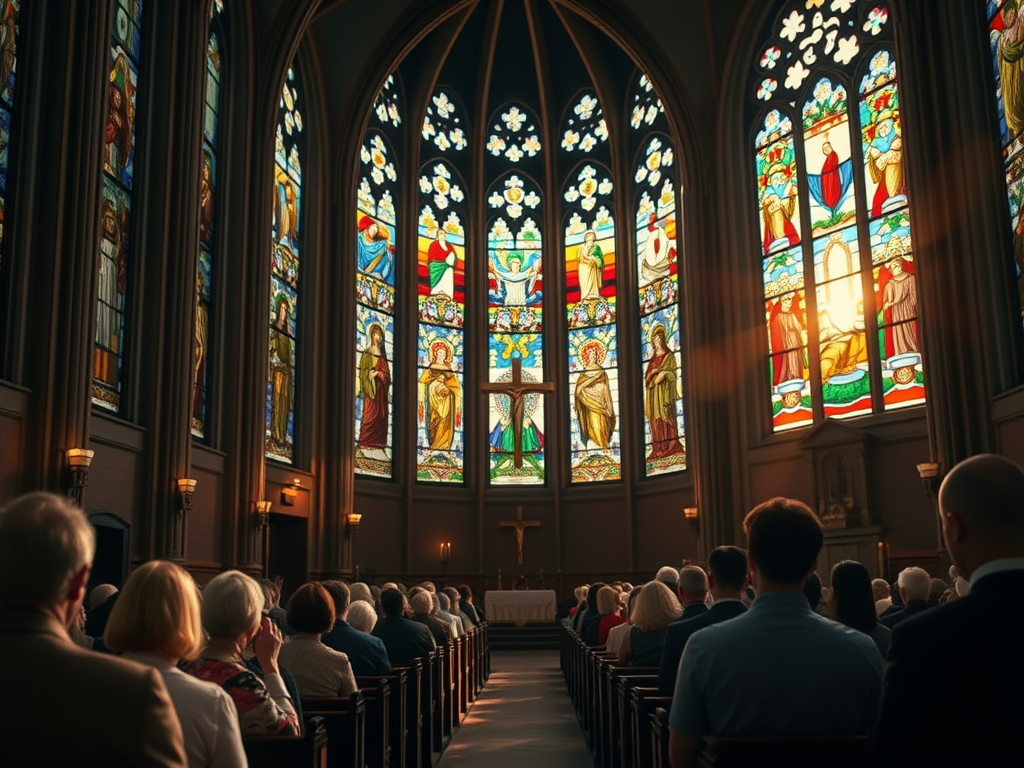
Septuagesima Sunday (Next Sunday )notes on the liturgy and Its Significance as part of a Book Review of Light of the World Volume II
Light of the World is a three volume series offering meditations on masses throughout the liturgical year, this book review being on the second volume. It is written the same vein as the concise “The Church’s Year” by Rev. Fr. Leonard Goffine and Dom Prosper Gueranger’s 15 volume “The Liturgical Year” and should be added to the books listed for their coverage of the liturgical year covered in an earlier blog. The Imprimi postest and Imprimatur is a follows:
Imprimi postest: + Stephen Schappler, O.S.B.
Coadjutor Abbot
Imprimatur: + Joseph E Ritter, S.T.D.
Archbishop of St. Louis
Second Printing, 1965
This is a translation of Volume II of Werde Licht by Rt. Rev. Benedict Baur, O.S.B. (ninth revised edition, 1955), Published by Herder & Co, Freiburg, Germany.
Library of Congress Catalog Card Number 58-13571
Copyright 1952, 1959 by Herder Book Co.
The following is a quote showing a sample or the type of meditation it offers. After some sections there are prayers to help one focus on the meditation offered in the text. This the quote about Septuagesima Sunday in its entirety. The immediately following meditation is on Septuagesima Monday.
The Liturgy of Septuagesima Sunday
- Septuagesima Sunday ushers in the Easter Cycle, and our thoughts dwell on the blessed mystery of Easter. The Easter cycle includes Christ’s passion, resurrection and glorification. The devout Christian soul will accompany the Church as she contemplates Christ in His passion, death, resurrection, and eternal glorification. Through struggle to victory is the universal law. Through suffering, tribulation, and death the soul achieves self-mastery, resurrection, and life. This struggle valiantly waged in this life will bring the soul to the resurrection and eternal life in heaven.
- On Septuagesima Sunday in the ancient Church, the candidates who were to receive baptism at Easter were selected from those who had presented themselves for instruction. This practice should remind us also that we once were presented for baptism, and as members of Christ’s mystical body we should renew our resolution to accompany Him on His sorrowful journey. We shall accompany Christ through His struggles to victory. Having resolved to acquit ourselves manfully in the struggle for the glory of God, and having concentrated all of our energies for that task, we shall eventually achieve a glorious victory and a blessed Easter. Our model of mortification during this season is the martyr St. Lawrence. We gather around him in his church at the beginning of Lent to prepare for the struggle. Dimly in the background we catch a glimpse of the greatest of all martyrs, Jesus Christ, clothed in garments crimsoned with His own blood. With Him and His holy Church we press forward for the struggle. “The sorrows of death surrounded me, the sorrows of hell encompassed me; and in my affliction I called upon the lord, and He heard my voice from His holy temple” (Introit). Reeling the burden of our sinfulness we cry out: “Graciously hear, we beseech Thee, O Lord, the prayers of Thy people, that we who are justly afflicted for our sins, may mercifully be freed for the glory of Thy name” (collect).
Having made our humble plea for mercy, we arise to gird ourselves for the struggle that lies ahead of us. The goal which we respect to reach is the eternal resurrection. But to attain our goal we must chastise our bodies and bring them into subjection (Epistle). The strength to persevere in this life of Self-denial we must seek from God, who will not deny His help to those who seek Him (Gradual). With the catechumens let us present ourselves again as laborers in the vine yard of the Lord. In this vineyard we shall work out our own salvation and that of our neighbor, and shall contribute to the success of the Church on earth. We have been called into the vineyard at the eleventh hour, that is, in the era of Christ, in the era of the new dispensation. God has given us a sublime calling. Since he also gives us strength and directs our labors, we can hardly refuse to labor zealously.
- When we make our offering in the Mass today, we do so in the spirit of the willing laborers in the vineyard of the Lord. As the paten is raised by the priest, we offer with the spotless wafer our determination to struggle against the weakness of the flesh, the allurements of the world, and sin. We unite to this offering all the trials and sufferings that the days may being us, and beg the grace of sustaining them in the spirit of St. Lawrence and in union with the suffering of our Redeemer.
Thus we begin Mass by renewing our belief that this sacrifice is truly a renewal of the offering on Calvary, and we declare ourselves ready to follow Him to death. The consummation of this sacrifice will not be death, but life; we look forward, not to Good Friday, but to Easter Sunday; not to the darkness of the grave, but to the brilliance of the resurrection; we are interested, not in the struggle, but in the victory. Christ now offers Himself, not as the suffering Redeemer, but as the living, glorified conqueror of death and sin. Through the Holy Sacrifice of the Mass, he makes us partakers of this resurrection and glorification. We share also in His love for the Father, His sanctity, His perfect prayer, His union with God: and thus we become most pleasing to His heavenly Father. Although His is now risen and glorified, He descends to give Himself to us in Holy Communion, and shares His glorified life with us. We are now enlightened by the glory that is His, and we begin to share His glorified life. A soul thus favored is , in a sense, already adorned with the crown of victory, and has placed in its hands already in this world the penny that is the reward for faithful service in the vineyard of the Master. The favors enjoyed by such a soul are an earnest of the crown of victory that is to be its reward in heaven. Through its sufferings it will conquer.
Septuagesima Sunday
Through struggle to victory
- Easter, the day of victory. The day of resurrection and redemption is already beginning. We gather at the stational church of the martyr St. Lawrence, who was tortured on the gridiron, We feel that we are united to him, and this union gives us strength for the struggle. Victory may be gained only though strife. At Easter we shall renew that spirit of our baptism and rise to a new life. Fur the road to Easter leads over Golgotha.
- The kingdom of heaven is like to an householder who went out early in the morning to hire laborers into his vineyard” (Gospel). He begins his search fo laborers early in the day and visits the market place again at the third, the sixth, the ninth, and the eleventh hour. At each visit he finds unemployed laborers idling in the market place, unconcerned about the work in the vineyard of souls. So, too, the Lord approaches us with the question, “Why stand you here all the day idle? . . . Go you also into My vineyard.” We have as yet done very little for the salvation of our own souls or for those of others. We must now take up the task earnestly and zealously. The Lord has given us the call: “Go you also int My vineyard,” work for the salvation of souls. Today at this very hour the invitation is given to us. For us it is not yet too late; it is never too late for any soul that is willing to turn from its evil ways and make an earnest effort. It is too late only for those who abandon the struggle. “Why stand you here all the day idle?” God calls us today to bear patiently the heat and the burden of the day in His vineyard; He invites us to strive in the arena of the world for the incorruptible crown of eternal life. We must struggle valiantly for the crown of victory.
The liturgy places St. Lawrence before us as a model for our conduct during Lent. While suffering on his bed of fire at the time of his martyrdom, he cried out: “The sorrows of death surround me, the sorrows of hell encompassed me; and in my affliction I called upon the Lord, and He heard my voice from His holy temple” (Introit). A second model is given to us in the Epistle in the person of St. Paul, the valiant champion of the Church: “Brethren, know you not that they that run in the race, all run indeed, but one receiveth the prize? So run that you may obtain. And every on that striveth for the mastery refraineth himself from all things; and they indeed that they may receive a corruptible crown, but we an incorruptible one. I therefore so run, not as at an uncertainty; I so fight, not as one beating the air; but I chastise my body and bring it into subjection, lest perhaps when I have preached to others, I myself should become a castaway” (Epistle).
The chosen people, the Israelites, provide a third example of the preparation we should make for Easter. The thought of our baptism and of the Holy Eucharist dominates the Easter cycle, which we are now beginning. Fut the liturgy warns us to remember that the chosen people, too, had a baptism and a Eucharist. They “were all under the cloud, and all passed through the sea, and all in Moses were baptized, in the cloud and in the sea; and did all eat the same spiritual food, and all drank the same spiritual drink (and they drank of the spiritual rock that followed them; and the rock was Christ). But with most of them God was not well pleased” (Epistle). Only a small remnant of the chosen people reached the Holy Land. The majority of them were unfaithful to God in spite of their baptism and the heavenly manna. We be to us if we should prove unworthy of our baptism and of the Holy Eucharist. Even the most holy things can be misused.
- “Every one that striveth for the mastery refraineth himself from all things.” That should also be our program at the beginning of Lent. Why must we give up everything? That Christ the conqueror may conquer again in us and have the honor that is His due. We must reject everything and purify ourselves, so that nothing may hamper Christ’s work in us. We die, and yet we live. We must die to all sin and to all willful imperfections. We must abandon all desires and thoughts that are not in conformity with Bod’s holy will. We must die to our own will in order that the will and the spirit of Christ may dominate us completely. This is what the holy season of Lent wishes to accomplish in us. Are we prepared to sacrifice everything? “Know you not thar hey that run in the race, all rum indeed, but on receiveth the prize?” (Epistle.)
Only ”one recieveth the prize.” This one is Christ, the conqueror of sin and death. We shall win only in so far as we are united to Him as members of His mystical body. Living in union with Him, making use of this strength, w, too, shall conquer. That He may triumph in His members He must live in us and we in Him. In the Holy Sacrifice of the Mass today we shall enter more fully into His life an he into ours. In Him we shall receive the prize, the possession of eternal life.
PRAYER
Graciously hear, we beseech Thee, O Lord, the prayers of Thy people, that we who are justly afflicted for our sins, may mercifully be freed for the glory of thy name. Through Christ our Lord. Amen. (Collect)
The table of contents covers every mass for 1) The Prelenten Season, 2) The Season of Lent, 3) Passiontide, 4) The Easter Season, 5) Pentecost. It starts with Septuagesima Sunday and ends with Ember Saturday in Pentecost week: Redeemed! On page 381.